







Centuries ago, roaring crowds gathered across roaring British arenas to witness brutal battles between powerful canines and enraged bulls. These ferocious quadrupeds displayed unmatched tenacity, clamping powerful jaws onto wild beasts without flinching. Watching those historic blood sports, few spectators could ever imagine that these ferocious arena fighters would eventually transform into gentle, affectionate family companions resting peacefully inside modern living rooms.
- From Roman Arena Fighters to Banned British Spectacles
- The Gentle Heart Behind a Tough Facial Expression
- Overcoming Inherited Health Risks Through Responsible Breeding
- Essential Summer Care and Heatstroke Prevention Measures
- The Rise of the Powerful American Descendant
- Daily Grooming Rituals and Skin Fold Hygiene
- Balanced Nutrition and Preventive Veterinary Care
- Fostering Strong Bonds Through Positive Reinforcement
Centuries of selective breeding gradually erased aggressive tendencies while preserving the breed’s legendary courage and unwavering loyalty. Today, families around the globe adore the English Bulldog for its cheerful disposition, comical expressions, and remarkably sensitive nature. Despite its tough physical appearance, this unique dog forms deep emotional bonds with humans, acting as a patient playmate for young children and a soothing presence for elderly companions.
However, owning this iconic canine requires dedicated care, clear baseline training, and careful attention to delicate health vulnerabilities. Mismanaged breeding historically created severe respiratory challenges and sensitive skin conditions that demand proactive medical care. Understanding the fascinating history, distinct physical needs, and unique personality traits of this legendary breed helps devoted owners foster a healthy, joyful, and long-lasting partnership.
Across global veterinary and cynological institutions today, animal historians and canine specialists release detailed breed heritage research on the English Bulldog, documenting how a historic fighting breed successfully transformed into a gentle domestic companion. Researchers trace the breed’s ancestry back to ancient Asian molosser dogs that arrived in Britain, where medieval butchers and arena organizers deployed them in brutal bullbaiting spectacles until Parliament banned the practice in 1835. Following this historic legal prohibition, dedicated breeders selectively cultivated calm, affectionate behavioral traits while reducing aggressive instincts. Recognized worldwide for its distinctive facial folds and resolute loyalty, the modern bulldog currently demands careful temperature management, balanced nutrition, and regular skin hygiene to overcome inherited respiratory and dermatological vulnerabilities.

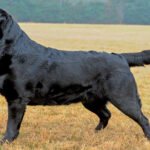
From Roman Arena Fighters to Banned British Spectacles
Ancient Roman legionnaires landing on British shores nicknamed native fighting dogs pugnaces due to their fierce combat capabilities. Centuries later, these formidable ancestral canines accompanied English forces during the Hundred Years’ War, striking terror into French cavalry lines across medieval battlefields. These powerful combat animals descended from ancient Asian molossers brought to Europe through early continental trade networks.
Eventually, British traders and butchers utilized these strong dogs to guard market merchandise against thieves and wild predators. Unfortunately, public organizers soon forced these dogs into bullbaiting, a violent sport where canines attacked enraged bulls for crowd entertainment. British authorities finally banned this cruel practice in 1835, allowing the breed to abandon its violent reputation forever.
The Gentle Heart Behind a Tough Facial Expression
Following the nineteenth-century ban on bullbaiting, selective breeding transformed the former arena fighter into a remarkably peaceful companion. Modern bulldogs exhibit exceptional patience around playful children and maintain a calm, reassuring presence beside elderly family members. Their extraordinary emotional sensitivity allows them to detect human moods quickly, offering quiet comfort during stressful daily moments.



Nevertheless, modern bulldogs retain their ancestral determination, displaying strong protective instincts whenever true danger threatens their human families. This innate firmness sometimes manifests as stubbornness, prompting the dog to deliberate before obeying routine household commands. Consistent basic training and positive reinforcement ensure that this willful nature resolves into steady, reliable family devotion.
Overcoming Inherited Health Risks Through Responsible Breeding
Decades of irresponsible breeding historically exaggerated specific physical features, particularly deep facial folds, which severely impacted breed health. Excessive facial wrinkling restricted upper airways and caused chronic respiratory distress across generations of poorly bred animals. Fortunately, ethical breeders actively select parent dogs with wider nasal passages to improve long-term breathing capacity and overall stamina.
Additionally, conscientious kennel clubs work diligently to minimize genetic heart conditions and joint disorders through rigorous medical screening. Responsible owners protect their pets by controlling daily food portions to prevent dangerous weight gain and obesity. Furthermore, moderate daily exercise remains necessary, although owners must avoid overexerting these sensitive animals during hot weather.


Essential Summer Care and Heatstroke Prevention Measures
High ambient temperatures represent one of the most dangerous environmental hazards for brachycephalic canine breeds lacking efficient cooling mechanisms. Because flat-faced dogs struggle to regulate body heat through panting, hot weather rapidly triggers life-threatening heatstroke symptoms. Consequently, owners must restrict physical exercise during warm summer afternoons, keeping pets inside air-conditioned rooms with abundant fresh drinking water.
Providing cool shade and avoiding direct sun exposure during outdoor potty breaks protects sensitive animals from thermal distress. If a bulldog pants excessively or displays sluggish movements, owners should immediately cool the animal with damp towels and seek veterinary assistance. Prioritizing temperature control ensures that these delicate companions remain safe and comfortable throughout hot summer seasons.
The Rise of the Powerful American Descendant
During the seventeenth century, early British settlers transported classic working bulldogs across the Atlantic Ocean to North American colonies. These hard-working canines found homes across Southern ranches and farms, where landowners utilized them to manage livestock and protect rural property. Breeders in the United States selected larger specimens with longer legs, powerful jaws, and immense physical stamina.



This targeted selection process created the American Bulldog, a distinct working breed officially recognized by major American kennel registries around 1980. Unlike its shorter English cousin, this powerful transatlantic relative excels as an athletic property defender and working farm dog. Both breeds share a common ancestry, yet their physical divergence highlights how different working environments shape canine evolution.
Daily Grooming Rituals and Skin Fold Hygiene
Maintaining daily hygiene routines remains critical for preventing bacterial infections and maintaining optimal health throughout a bulldog’s lifetime. Owners should inspect ears, eyes, and interdigital paw spaces daily for signs of redness, abnormal discharge, or excessive tearing. Promptly consulting a qualified veterinarian when unusual skin irritation appears prevents minor superficial issues from developing into painful chronic infections.
Special attention must be paid to characteristic facial folds, nasal creases, and tail pockets where moisture and debris collect naturally. Wiping these sensitive areas regularly prevents unpleasant odors and keeps delicate skin folds dry, clean, and healthy. Furthermore, brushing the short coat twice weekly removes dead hair, while gentle damp cloths enhance natural coat shine.
Balanced Nutrition and Preventive Veterinary Care
Controlling daily calorie intake plays a fundamental role in maintaining joint health and preventing cardiovascular strain in heavy-bodied breeds. Because bulldogs possess a natural tendency to gain weight quickly, owners must measure meal portions precisely rather than free-feeding dry kibble. Combining high-quality protein diets with low-impact daily walks keeps muscle tone strong without overloading sensitive knee and hip joints.


Regular veterinary checkups help monitor cardiac function, joint alignment, and respiratory health before subtle symptoms turn into severe medical emergencies. Vaccinations, parasite preventatives, and professional dental cleanings further extend your companion’s lifespan and overall quality of life. Investing time in preventive healthcare allows owners to enjoy many happy, active years alongside their loyal canine companion.
Fostering Strong Bonds Through Positive Reinforcement
Building a strong relationship with a bulldog requires patience, mutual respect, and consistent positive reinforcement techniques during early puppyhood. These intelligent animals respond best to reward-based training methods that utilize healthy treats, enthusiastic verbal praise, and fun play sessions. Harsh discipline creates anxiety and increases stubbornness, whereas clear boundaries foster confident, well-behaved adult companions.
Understanding unique breed characteristics enables pet owners to address daily training challenges with grounded confidence and expert support. Applying compassionate care strategies ensures long-term household harmony, while exploring our homepage offers additional authoritative animal care insights. Learning about specialized dog breeds helps prospective owners choose the perfect canine partner for their specific lifestyle and home environment.