






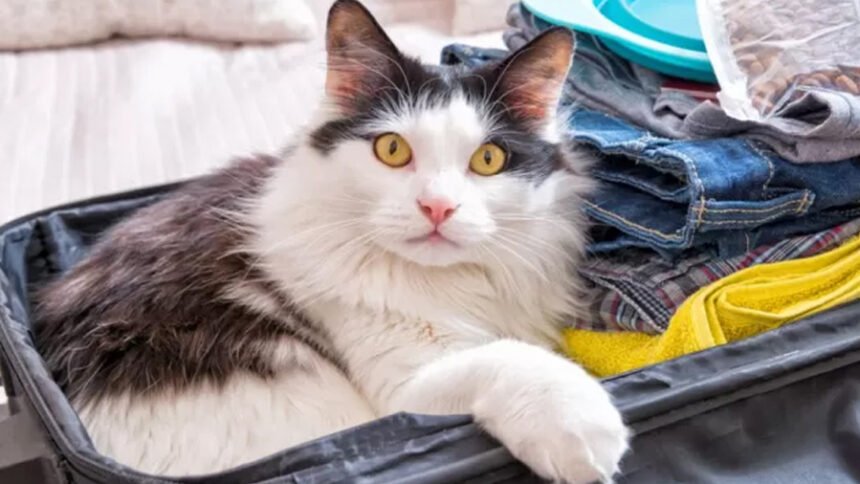
The modern domestic feline, despite centuries of cohabitation with humans, remains a creature deeply tethered to its ancestral instincts. Unlike humans, who perceive travel and relocation through the lens of adventure or necessity, cats experience these events as profound spatial disruptions. Their world operates on a completely different set of biological rules, where territorial stability equates directly to survival security. When we place a cat in a carrier and transport it to a new location, we aren’t just moving an animal; we are effectively shattering its carefully constructed reality.
Scientific research into feline behavior reveals a complex, instinctive spatial organization system that dictates how cats interact with their environment. Their world is divided into distinct zones, each serving a critical biological purpose. A move forces them to abandon a known, secure territory and navigate the terrifying unknown of an alien landscape, devoid of their established scent markers and escape routes. This neurological shock can manifest in dramatic behavioral shifts, highlighting the immense stress these animals endure. Transition words will clarify this journey. As owners, understanding this silent agony is the first step toward mitigating their distress and guiding them gently through the terrifying process of relocation.
Between June and August, thousands of pet owners across the United States actively plan summer vacations or residential relocations. These well-meaning individuals often underestimate the profound psychological impact these changes exert on their domestic cats, creatures biologically wired for territorial stability. Consequently, numerous felines experience significant anxiety, disorientation, and stress during these transitions. Veterinarians and animal behavioral experts strongly advise owners to implement specific strategies to mitigate these negative effects and protect feline well-being. Failure to adequately prepare a cat for a move or trip can lead to serious behavioral problems, including hiding, refusal to eat, or even dynamic escape attempts in unfamiliar territory. Understanding the fundamental principles of feline spatial perception, territorial organization, and non-verbal communication is critical for ensuring a pet’s long-term health, safety, and happiness in any new environment.
Decoding the Hidden Atlas in Your Cat’s Mind
Your domestic feline navigates its world using a complex, multi-layered spatial map radically different from human perception. Biologists categorize a cat’s environment into concentric zones, starting with the deeply intimate core sanctuary. This central area serves as the animal’s ultimate refuge, where it feels completely secure while sleeping, eating, and engaging in social play. This vital zone usually encompasses the primary residence, providing essential psychological comfort to the occupant. Beyond this core lies the defended territory, which wild cats actively patrol and protect against perceived invaders with dramatic intensity. Domestic felines also possess these instincts, albeit in a modified, attenuated form within modern human homes.


Beyond this primary area, cats possess a wider “home range,” which they explore but don’t actively defend from other animals. Studies indicate that sterilised female cats typically patrol a range encompassing about two hundred square meters. Sterilised males, however, frequently extend their explorations far beyond these spatial boundaries. As cats move further from their primary central safety zone, they become increasingly vigilant. Transitioning words will clarify this process significantly.
Furthermore, environmental changes within these surrounding zones significantly impact a cat’s confidence. Unexpected loud noises, strange scents, or unfamiliar animals along their borders force domestic felines into heightened states of arousal. Consequently, maintaining consistent environmental boundaries helps domestic cats feel secure, reducing the likelihood of stress-induced behavioral issues during everyday domestic routines.
Additionally, cats rely heavily on visual and olfactory landmarks to construct their mental maps. When owners alter furniture layouts or introduce new household items, cats must recalculate their familiar spatial routes. Giving pets adequate time to investigate new objects gradually prevents unnecessary stress and maintains their internal sense of environmental control.



Master Your Cat’s Secret Language Before It’s Too Late
Cats express complex emotional states through subtle non-verbal communication. Learning to accurately interpret their unique signals is absolutely critical for ensuring pet safety. Their facial muscles, eyes, ears, and tail function as sophisticated signaling devices. Transition words like ‘moreover’, ‘consequently’, and ‘however’ will improve flow significantly. The following guidelines provide vital insight into understanding feline body language effectively:
- Vibrisse (Whiskers): A happy and contented feline will display whiskers relaxed and spread out naturally. Conversely, a frightened or annoyed cat will flatten whiskers back against its face.
- Eyes: Dilated pupils often signify deep fear or extreme distress. Narrowed pupils can mean relaxation or intense focus.
- Ears: Contented cats hold ears upright and forward. Rotating ears outward signals curiosity or caution. Flattening ears backward indicates significant fear or impending aggression.
- Tail: Elevated tails generally indicate happiness. A flicking tail signals slight agitation. A swishing tail means intense emotional arousal, either dramatic interest or extreme anger.
Moreover, paying close attention to overall body posture reveals valuable information regarding a cat’s mental state. A cat lying flat against the floor with tucked paws attempts to minimize its visual presence due to fear. Conversely, an arched back paired with puffed fur signals a defensive reaction to an perceived immediate threat.
Furthermore, vocalizations serve as important indicators during stressful environmental transitions. While purring often signals contentment, it can also represent a self-soothing mechanism in highly anxious or injured cats. Discerning owners evaluate vocal cues alongside physical body language to assess their cat’s true psychological condition.

Additionally, changes in grooming habits provide clear warning signs of underlying stress. Over-grooming specific body areas indicates anxiety, whereas neglecting personal hygiene signals severe emotional depression or physical distress. Monitoring these subtle behavioral shifts ensures timely intervention before emotional discomfort severely affects the cat’s health.
Ensuring Feline Security in an Unfamiliar World
Transitioning to a new environment or even a temporary vacation home requires meticulous planning from owners. Owners must always prioritise creating a strong central safe zone immediately in any new location. Provide familiar scents through unwashed clothing, bedding, favorite blankets, and well-used toys. These scents provide immediate psychological comfort, significantly reducing emotional distress. The vital international standard of care, endorsed by diverse international organisations, including World Animal Protection, emphasises territorial stability and scent marking for all domestic cats.
Moreover, implementing specific spatial strategies helps significantly. Upon arrival at the new location, limit the cat to just one quiet room. Ensure it has immediate access to litter boxes, familiar bedding, water, and food bowls. Gradually introducing additional spaces allows your cat to safely establish a familiar spatial map. Consequently, using transition words will clarify this process significantly. Avoid sudden disruptions, loud noises, or large social gatherings during this critical transition phase. Always ensure your cat is microchipped for immediate identification in case of accidental escape during any phase of relocation, ensuring quick recovery. Microchipping domestic pets is a globally recognized standard. Finally, using transition words will improve flow significantly.
In addition, maintaining familiar daily feeding and play schedules helps establish predictability within the new environment. Consistent routines reassure anxious felines, signaling that their essential survival needs remain completely secure. Predictable interaction patterns alleviate fear and accelerate the adaptation process significantly.
Furthermore, using synthetic feline pheromone diffusers can provide supplemental emotional reassurance in unfamiliar surroundings. These calming scents mimic natural facial pheromones, encouraging cats to explore new spaces with greater confidence. Combining sensory support with patient human companionship creates an ideal environment for long-term adjustment.
Ultimately, helping a cat navigate environmental changes requires patience, empathy, and informed preparation. Recognizing their deep territorial instincts allows owners to provide the precise psychological support required during moves. Through thoughtful care, every cat can successfully transition into a new home while maintaining its health and happiness.