





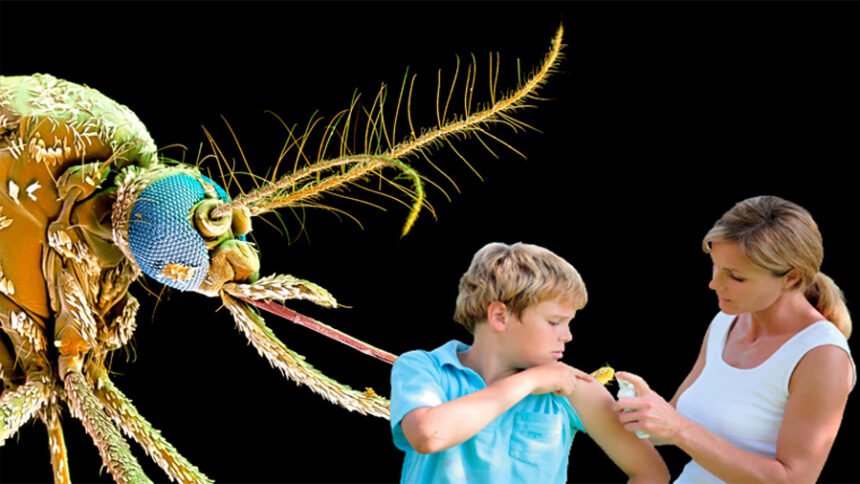
High-pitched buzzing sounds echo through darkened bedrooms every summer, signaling the relentless arrival of aggressive blood-feeding insects. Across the globe, over three thousand five hundred distinct species of mosquitoes occupy diverse ecological niches, tormenting humans and animals alike. While approximately two hundred species actively bite human hosts, public frustration frequently ignites intense debate surrounding total species eradication. However, reckless biological extermination carries severe ecological consequences that could destabilize global agricultural networks entirely. Male mosquitoes feed exclusively on plant nectar, serving as crucial pollinators alongside honeybees for numerous wild botanical species. Surprisingly, specialized biting midges belonging to the same broader order uniquely pollinate wild cocoa trees, making global chocolate production entirely dependent on their survival. Furthermore, complex food chains rely heavily on aquatic mosquito larvae to sustain freshwater fish populations. Entomologists emphasize that removing native insects creates vacant environmental niches, allowing far more aggressive vector species to invade unhindered.
- Evolution of the World’s Most Persistent Parasite
- The Biological Quest for Human Blood Meals
- Chocolate Production Hinges on Tiny Flying Pollinators
- Dangerous Pathogens and Global Public Health Challenges
- Ecological Vacuums and The Threat of Invasive Species
- Extraordinary Reproductive Cycles in Stagnant Waters
Evolution of the World’s Most Persistent Parasite
Extensive fossil records confirm that these resilient insects inhabited prehistoric ecosystems over one hundred million years ago. Their remarkable adaptive traits enabled continuous survival across every continent except frozen Antarctic territories.
Three primary species regularly torment European and Mediterranean populations throughout different periods of the day. The common urban house pest bites hosts almost exclusively under cover of complete nocturnal darkness.
Conversely, rural marshland varieties harass outdoor agricultural workers and coastal travelers during warm afternoon hours. Meanwhile, aggressive invasive tiger mosquitoes strike relentlessly in broad daylight, piercing thin cotton clothing effortlessly with specialized mouthparts.


The Biological Quest for Human Blood Meals
Female insects emit annoying high-pitched wing tones to attract potential male mates across crowded outdoor spaces. Female specimens require rich blood proteins to nourish developing eggs inside their reproductive organs.
During a single feeding encounter, a female consumes two to three milligrams of host blood rapidly. That microscopic payload matches the total body weight of the insect itself.
Conversely, harmless male insects feed exclusively on sugary plant sap and floral nectar reserves. Their continuous foraging activities actively facilitate cross-pollination across various wild botanical species worldwide.
Chocolate Production Hinges on Tiny Flying Pollinators
Drastic proposals calling for total insect eradication threaten surprising commercial supply chains across international agricultural markets. Specialized biting midges directly pollinate delicate cocoa tree blossoms high within tropical rainforest plantations.
Without these tiny pollinating insects, global chocolate manufacturing would suffer total collapse within a few harvest seasons. Industrial agricultural sectors depend heavily on these fragile biological interactions to sustain global cocoa yields.
Furthermore, aquatic mosquito larvae constitute an irreplaceable nutritional baseline for diverse freshwater animals. Specialized topminnow fish species possess upward-turned mouths engineered specifically to scoop swimming larvae from surface waters.
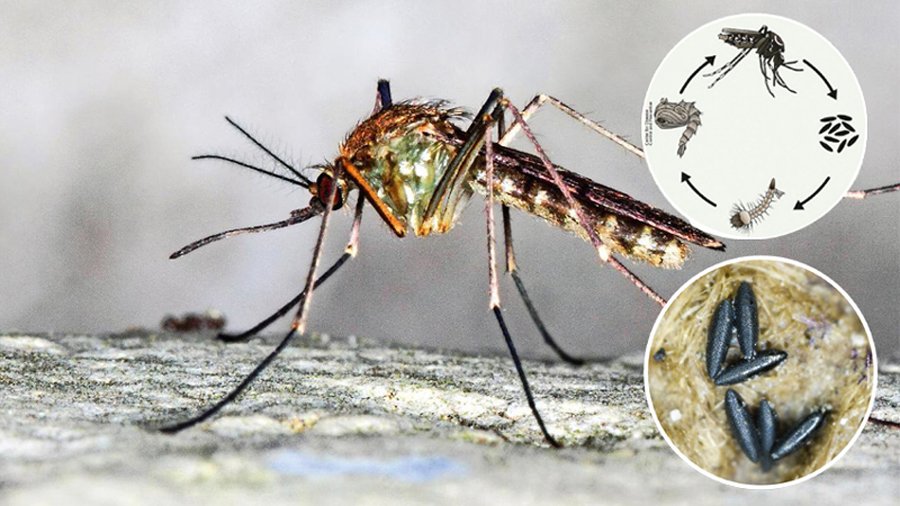
MOSQUITO FOUR-STAGE METAMORPHOSIS┌─────────────────────────────────────────────────────────────────────────┐│ EGG STAGE │ Females Lay Floating Rafts in Stagnant Surface Water ││ LARVAL STAGE │ Aquatic Larvae Breathe Air via Specialized Siphons ││ PUPA STAGE │ Non-Feeding Metamorphosis Lasts up to Two Weeks ││ ADULT STAGE │ Flying Insects Emerge and Mate Within Two Days │└─────────────────────────────────────────────────────────────────────────┘Dangerous Pathogens and Global Public Health Challenges
Despite their ecological utility, vector mosquitoes transmit severe infectious diseases across vulnerable human populations globally. Mosquito-borne pathogens include microscopic parasites causing malaria alongside deadly viral agents responsible for severe hemorrhagic fevers.
Globalized shipping routes continuously introduce tropical pathogens into temperate Western nations every single year. Health authorities expend massive financial budgets managing emergency vector control programs annually.
Consequently, medical researchers investigate sophisticated genetic modification techniques to suppress local vector populations. However, field experiments reveal that sterilizing native species often backfires dramatically inside complex wild ecosystems.
Ecological Vacuums and The Threat of Invasive Species
Distinguished medical entomologists warn against creating sudden ecological vacancies through complete species eradication campaigns. In accordance with established ecological principles, aggressive competitor species immediately occupy vacated environmental habitats.
Sterilizing native yellow fever vectors often enables highly aggressive invasive tiger mosquitoes to colonize vacant territories rapidly. These resilient replacement pests transmit far broader spectrums of dangerous human pathogens.
Therefore, absolute species elimination introduces unpredictable public health risks across urban centers. Targeted population management provides far safer biological outcomes than complete environmental eradication.
Extraordinary Reproductive Cycles in Stagnant Waters
Understanding the rapid four-stage life cycle of vector insects helps municipal teams implement effective localized control measures. Female adults deposit floating clusters containing up to three hundred eggs across still water surfaces.
Under optimal summer temperatures, aquatic larvae emerge from protective egg casings within three short days. These sub-surface organisms breathe atmospheric oxygen continuously using specialized thoracic siphons extending above the water line. Within several days, mature pupae complete final metamorphosis, emerging from surface waters as fully developed adult insects. Operating across a short twenty-five-day lifespan, a single female generates over two thousand potential descendants.