


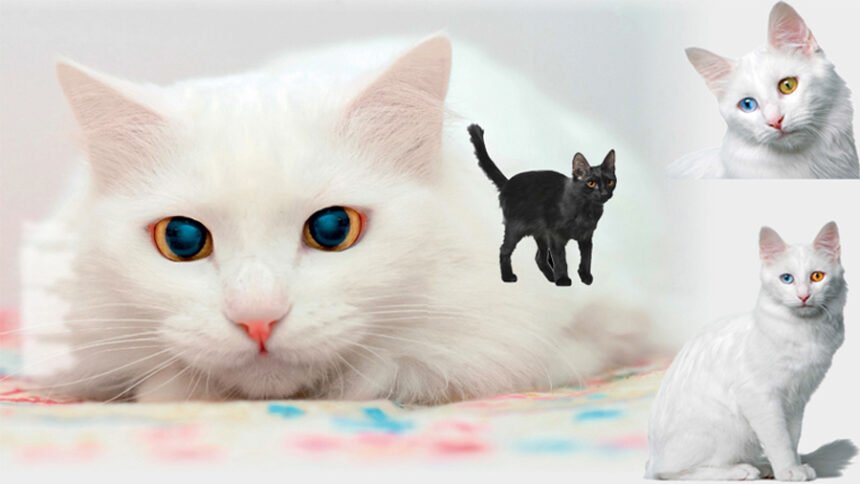
During the late 1950s, visionary American breeders rescued the ancient Turkish Angora breed from historical obscurity inside European borders. Historical documents show that early trade routes brought these animals to Europe around the seventeenth century. Italian traveler Pietro Della Valle transported these magnificent long-haired cats directly to Western nations where citizens had never seen such coats. French scholar Nicolas-Claude Fabri de Peiresc also imported several specimens into France during that exact same historical era. European aristocrats immediately fell in love with these elegant, long-coated animals because of their soft texture and unique grace.
However, chaotic interbreeding diluted the pure genetic strain over several generations across Europe. European owners crossed these felines with other local cats, which caused the true Angora traits to fade away gradually. The Turkish government stepped in and protected the remaining pure specimens inside national zoos to preserve their native heritage. Experts at the Ankara Zoo established meticulous management programs to shield these animals from complete genetic extinction. Later, in 1959, American enthusiasts obtained official diplomatic permission to export two pristine foundation cats named Yildiz and Yildizcik. Consequently, modern international registries now trace every authentic champion back to these two crucial specimens.
Unmatched Athleticism and Striking Visual Elegance
Dynamic grace defines this remarkable feline breed during every single physical movement across any domestic space. Adult males maintain a solid frame that rarely exceeds four and a half kilograms overall. Smaller females display a lighter build that typically ranges between three and three and a half kilograms. Their athletic bodies present long, slender proportions supported by fine yet strong bone structures. The hind legs stand slightly higher than the front legs, giving them an agile posture ready for action.
Furthermore, distinct almond-shaped odd eyes captivate viewers through striking combinations of blue, amber, and vibrant green hues. A shimmering silky coat flows smoothly across their medium-length bodies without any heavy undercoat. The fur grows longer around the chest neck collar, forming a majestic lion-like ruff that catches light beautifully.
A magnificent plume tail balances their long, slender legs and high-set ears during incredible acrobatic displays. Indeed, this lightweight structural frame allows them to leap onto towering furniture effortlessly. Their large, pointed ears sit high on the skull, featuring long inner tufts that protect against harsh environments. Every physical line creates an impression of fluid elegance, making this animal look like a living piece of fine art.
Mastering the Spirited Turkish Angora Temperament
A fierce desire for personal independence guides the daily behavior of these extraordinary domestic pets. Enthusiasts often describe the Turkish Angora temperament as a fascinating blend of wild instincts and deep affection. Moreover, these curious animals actively seek continuous interaction with human family members through interactive playing sessions. They display an almost human-like curiosity, exploring every hidden corner, open closet, and quiet room inside modern homes.
Behavioral experts note that unmanaged energy leads to frustration or even mild depression in isolated household settings. Therefore, experienced owners must provide elevated perches and constant mental stimulation to keep these cats happy. These animals love running at high speeds, leaping onto tall bookshelves, and chasing moving toys across polished living rooms.
Novice pet owners sometimes struggle with their energetic, stubborn nature during early training phases. Consequently, consulting a feline specialist offers great advice for owners who need guidance with proper training methods. Patient guidance helps channel their natural hunting instincts into constructive daily routines. High energy levels require vertical space, which leads to mental stimulation and creates a balanced, happy companion. Their sharp minds allow them to learn tricks quickly, solve complex puzzle feeders, and open closed doors without assistance.
Evolution of Recognized Patterns and Coat Variations
For decades, official registries only accepted pure white specimens into competitive exhibition categories. People believed that a true Angora could only feature a pure snow-white coat with bright blue or heterochromatic eyes. Today, global associations welcome various natural shades including black, red, cream, blue, and delicate tabby patterns. However, judges strictly disqualify artificial hybrid colors like colorpoint, chocolate, lilac, cinnamon, and fawn hues during formal competitions.
Natural genetic variations continue to produce stunning physical contrast across global breeding programs. Pure white coats remain the most prized selection among traditional international collectors worldwide. Furthermore, healthy specimens maintain pristine coat conditions with minimal daily grooming maintenance from dedicated owners. Because the single-layer coat lacks a dense undercoat, the fur rarely mats or tangles, requiring only weekly brushing sessions.
Maintaining Health Standards and Preventing Genetic Defects
Rigid professional standards dictate the structural requirements for champion competitive bloodlines. Breed inspectors carefully evaluate spinal integrity, facial symmetry, and smooth breathing patterns during official show judging. Any evidence of thoracic deformities, cranial irregularities, or tail kinks results in immediate disqualification. Official feline registries demand total harmony, physical balance, and healthy structural proportions from every competing individual.
Inspectors check for straight nasal profiles and proper jaw alignment during every formal evaluation. Judges penalize structural skeletal deformities or asymmetrical features immediately to preserve overall breed health standards. The head must form a soft wedge shape, tapering smoothly toward the chin without any pronounced pinch in the whiskers.
Breeders test white specimens for congenital deafness before entry into formal breeding programs. Exhibitors ensure proper tail length and natural muscular flexibility to avoid administrative penalties at major competitive events. Responsible catteries also monitor eye health, checking regularly for strabismus, eyelid abnormalities, or deep-set placement.
Clear nostrils and healthy respiratory systems guarantee optimal physical performance for these athletic companions. Additionally, responsible catteries work continuously to eliminate hereditary defects through modern genetic testing protocols. Ethical breeding practices help preserve the pristine health, agility, and longevity of this historical Mediterranean treasure.
Embracing an Extraordinary Modern Household Companion
Owning an Angora brings dynamic energy and endless fascination into any modern residential environment. Their high intelligence enables them to solve complex puzzle toys and open household doors easily. Furthermore, their affectionate nature ensures deep lifelong bonds with attentive human caregivers who respect their independence. They follow their favorite humans from room to room, offering playful greetings and quiet companionship throughout the day.
These felines thrive in active homes where humans dedicate daily time for engaging activities and physical exercise. They form strong emotional attachments, offering unconditional loyalty while retaining their natural, free-spirited character. Their playful nature remains strong well into their senior years, entertaining families with theatrical leaps and acrobatic feats.
Ultimately, these ancient Turkish treasures offer an incredible combination of historic elegance and vivid personality. Proper socialization transforms their stubborn tendencies into brilliant displays of playful affection and loyalty. Thus, the enduring charm of Ankara’s native cat continues to capture hearts across the world.