






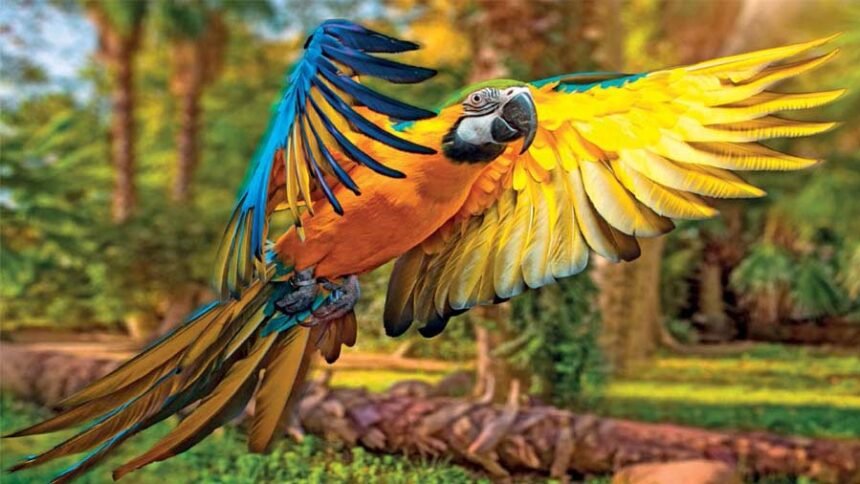
Vast tropical canopies echo with piercing calls while majestic birds displaying brilliant multi-colored feathers soar gracefully above dense rainforest foliage across South and Central America. These magnificent creatures, universally recognized as macaws, captivate naturalists worldwide with their striking appearance, remarkable longevity, and extraordinary social behavior. Native tribes traditionally revered these large parrots as symbolic guardians of tropical ecosystems. Meanwhile, modern researchers actively study their complex cognitive faculties and remarkable learning aptitudes. Nevertheless, keeping these dynamic birds within domestic environments demands immense dedication, deep physiological knowledge, and constant behavioral stimulation. Tropical enthusiasts often admire their ability to mimic human speech patterns rapidly. However, experts emphasize that linguistic proficiency varies significantly among individual birds. Unprepared households frequently encounter structural damage when powerful beaks clash with domestic furnishings. Understanding their natural biological requirements ensures proper conservation and responsible management of these iconic jungle inhabitants.
- Anatomical Masterpieces Engineered for Long Canopy Flights
- Spectrum of the Canopy and Color Classification
- Seed Predators with Unmatched Mandible Power
- Complex Nutritional Requirements for Optimal Dermal Health
- Behavioral Dynamics and Domestic Household Challenges
- Preserving Canopy Ambassadors for Future Generations
Anatomical Masterpieces Engineered for Long Canopy Flights
Evolutionary pressures sculpted these massive birds with extended narrow wings that facilitate rapid locomotion across immense wilderness territories. Strong streamlined primary feathers enable continuous flight between distant foraging grounds every single day.
A prominent downward curve characterizes the upper mandibles of these formidable creatures. Meanwhile, unfeathered facial patches surround their eyes, displaying tiny species-specific feather patterns across smooth white skin layers.
Furthermore, zygodactyl foot structures allow these birds to grasp food items with human-like dexterity. Flexible digits manipulate delicate nuts, seeds, and various forest objects with exceptional mechanical precision during daily feeding routines.


Spectrum of the Canopy and Color Classification
Biological taxonomists categorize distinct species according to their brilliant plumage variations. Four primary groups feature rich green tones, while two prominent varieties display vivid yellow and blue shades.
Additionally, three historic lineages exhibit brilliant crimson feathers, including the tragically extinct Scarlet Macaw subspecies from Caribbean regions. Known worldwide, these iconic color patterns serve vital camouflage functions high within sunlit tropical tree canopies.
Fascinating rare types include the endangered blue-throated variety alongside specialized military and red-fronted populations. Each distinct coloration reflects specific geographical adaptations across diverse South American microclimates.
Seed Predators with Unmatched Mandible Power
Unlike typical avian species that disperse intact botanical seeds, large parrots act as aggressive seed predators. Their immensely powerful black or ivory-colored beaks easily crush extremely hard shell casings.
Intriguingly, these birds share almost identical natural foraging choices with various wild primate species inhabiting the same forest canopy levels. Both groups compete directly for high-calorie nuts, wild fruits, and nutrient-dense botanical items.
Consequently, their digestive systems process dense proteins and essential lipids with high efficiency. Specialized feeding habits help control tree population density throughout primary tropical rainforests.
Complex Nutritional Requirements for Optimal Dermal Health
In captivity, managing proper avian nutrition requires providing highly varied daily menus rather than relying exclusively on commercial seed mixtures. Modern veterinary guidelines emphasize balanced dietary protocols to prevent dangerous metabolic deficiencies.
Caregivers frequently supply cooked grains like rice, fresh maize, and mature hard cheeses to bolster mineral intake. Furthermore, blended fruit smoothies enriched with pure pollen provide essential antioxidants and trace compounds.
Likewise, specialists integrate meat-based baby food purees into liquid feeding formulas to ensure adequate protein delivery. Optimal nutrition directly supports vibrant feather pigmentation, robust immune defense, and long-term skeletal integrity.
Behavioral Dynamics and Domestic Household Challenges
Living alongside energetic wild-derived birds requires realistic expectations regarding noise levels, spatial needs, and psychological stimulation. Natural curiosity often drives inquisitive parrots toward exploring household items using their crushing beaks.
When energetic birds interact with young children without continuous adult supervision, accidental scratches or sharp nips occasionally occur. Proper training reduces tension while establishing safe boundaries for everyday domestic living.
Moreover, providing adequate flight space prevents severe muscular atrophy and chronic psychological distress. Mental enrichment games help channel natural energy into positive behavioral outcomes.
Preserving Canopy Ambassadors for Future Generations
Protecting wild parrot populations demands rigorous habitat conservation and strict legal prohibitions against illegal international wildlife trafficking. Ecological organizations continually monitor vulnerable breeding sites throughout Latin America.
Understanding their complex biological needs fosters genuine appreciation for these majestic rainforest ambassadors. Respecting their wild nature ensures that these multi-colored aerial giants continue thriving across tropical skies.
Ultimately, preserving these remarkable birds safeguards the intricate ecological web of global tropical rainforests. Dedicated research guarantees better protection for these extraordinary creatures everywhere.