






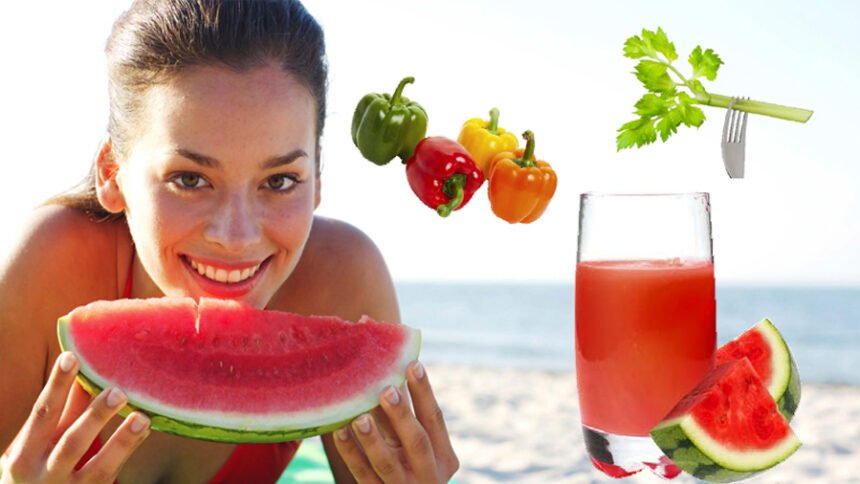
Intense ultraviolet radiation threatens human skin integrity every year as warm summer temperatures force families outdoors into prolonged direct sunlight. While commercial topical lotions remain essential external shields, true biological protection begins deep within cellular structures long before people step onto hot sandy beaches. Recent nutritional studies confirm that excessive exposure between peak solar hours of 11 AM and 4 PM accelerates cellular oxidative stress, triggering dangerous free radicals that damage DNA and cause premature dermal aging. Fortunately, incorporating nutrient-dense botanical foods into daily summer diets provides a powerful internal mechanism to neutralize oxidative damage, restore depleted electrolyte reserves, and optimize natural melanin synthesis safely.
The Carotenoid Defense and Vitamin A Mechanics
Dietary experts rank high-carotenoid vegetables at the absolute top of summer nutritional guidelines due to their rich beta-carotene concentration. Human enzymes effortlessly convert this vibrant natural plant pigment into active vitamin A, which directly supports ocular health while fortifying structural skin layers against dangerous ultraviolet rays.
Furthermore, consuming whole plant sources of pro-vitamin A eliminates toxicity risks typically associated with synthetic retinol supplements. Human metabolic pathways regulate beta-carotene conversion with incredible precision, safely excreting unneeded compound surpluses through natural digestive processes.
Additionally, pairing these colorful botanical items with high-quality extra virgin olive oil dramatically boosts overall nutrient absorption rates. Because beta-carotene operates as a fat-soluble compound, healthy dietary lipids act as biological transporters across intestinal membranes.



Carrots and Radicchio Lead Dermal Defense
Cultivated over centuries through selective agricultural practices, modern cultivated carrots hold the prestigious primary rank among protective summer vegetables. These crunchy root crops deliver dense concentrations of beta-carotene alongside essential ascorbic acid and protective vitamin E reserves.
When harvesting fresh carrots with attached green tops, cooks must remove leafy stems immediately before cold refrigerator storage. Otherwise, surviving green leaves continue absorbing valuable root nutrients, rapidly impoverishing the primary vegetable core.

Meanwhile, versatile radicchio varieties supply powerful cichoric acid compounds that effectively combat internal systemic inflammation across various physiological systems. Red varieties contain potent anthocyanin pigments that strengthen cardiovascular pathways while green types offer rich carotenoid loads.
Traditional herbal decoctions made from wild radicchio roots also soothe localized dermal irritations caused by excessive heat exposure. Combining fresh raw radicchio into summer salads provides essential vitamin K, copper, and vital potassium reserves.
Apricots and Bell Peppers Combat Heat Stress
Historical records document how early Arab merchants originally facilitated the widespread Mediterranean cultivation of succulent apricots, deriving their name from traditional terminology. Composed of eighty-six percent pure water, these golden fruits supply vital group B vitamins alongside potent quercetin and catechin antioxidants.
Moreover, apricots rank among the absolute highest fruit sources of biological potassium, replacing essential minerals lost through natural thermoregulatory perspiration. This key electrolyte governs muscular contractions and maintains optimal fluid balance across cellular membranes during hot weather.
Similarly, sweet bell peppers deliver extraordinary nutrient payloads, containing up to five times more ascorbic acid than fresh oranges. Yellow pepper varieties provide exceptional carotenoid levels alongside chlorogenic acid and protective zeaxanthin compounds.
Crucially, the inner pulp layers of peppers contain natural capsaicin, which exhibits broad-spectrum antibacterial activity during warm seasonal months. Consuming crisp peppers helps suppress foodborne bacterial proliferation when high environmental temperatures increase infection risks.
Celery and Watermelon Optimize Digestibility and Hydration
Sultry summer heat frequently slows human digestive motility, creating uncomfortable abdominal bloating and systemic lethargy after heavy mid-day meals. Eating light meals under shaded, well-ventilated outdoor areas prevents digestive strain while supporting overall metabolic efficiency.
Integrating fresh celery stalk into daily summer menus actively stimulates smooth digestive processes through specialized sedanine aromatic molecules. Rich in diuretic fibers, crisp celery juice effectively minimizes fluid retention while reducing elevated bloodstream triglycerides.
Likewise, massive watermelons offer ultra-refreshing rehydration options due to their extraordinarily high water content and low overall caloric density. Distinct natural aromatic compounds impart rich sweetness without overloading human blood sugar pathways.
Checking watermelon maturity requires knocking firmly against the outer rind until hearing a deep, hollow acoustic response. Selecting perfectly ripe melons guarantees maximum electrolyte delivery during hot afternoon excursions.
Melons and Tomatoes Deliver Potent Anti-Aging Molecules
Belonging to the diverse botanical Cucurbitaceae family alongside crisp cucumbers, sweet cantaloupe and net-patterned melons provide incredible mid-summer hydration. Composed of ninety percent water, fragrant melon slices supply high concentrations of vitamin C, essential phosphorus, and vital magnesium reserves.
Simultaneously, extensive epidemiological investigations consistently demonstrate that regular consumption of ripe red tomatoes protects human tissues against chronic degenerative diseases. Specialized lycopene antioxidants in tomatoes directly combat cellular mutations and cardiovascular oxidative damage.
Interestingly, culinary preparation methods alter the specific nutritional delivery of tomato antioxidants significantly. Thermal cooking increases overall bio-available lycopene absorption, whereas raw vine-ripened tomatoes provide superior concentrations of fresh ascorbic acid.
Including both raw and cooked tomato dishes in daily menus ensures complete antioxidant protection throughout the summer. Essential tomato minerals further guard against heat exhaustion by maintaining steady cellular fluid pressure.
Crisp Lettuce and Peaches Complete Summer Wellness
Gentle sunlight exposure stimulates natural human serotonin synthesis, elevating mood and promoting widespread physical muscle relaxation. Crisp green lettuce enhances these beneficial effects because traditional lettuce decoctions possess mild natural sedative properties that calm nervous tension.
Composed of ninety-five percent water, fresh lettuce delivers abundant beta-carotene, iron, and trace copper reserves. Consuming fresh green salads daily shields the human body against dangerous thermal heatstrokes during severe atmospheric heatwaves.
Finally, yellow peaches provide an exceptional natural source of bio-available beta-carotene and essential dietary fiber. Juicy peaches furnish crucial trace minerals like phosphorus, calcium, and magnesium, making them ideal nutritional snacks for active summer athletes.
Prioritizing these ten fresh botanical foods builds an unbeatable internal defense matrix against seasonal environmental stressors. Nurturing skin tissues from within allows sun enthusiasts to enjoy warm weather safely while maintaining radiant health.