






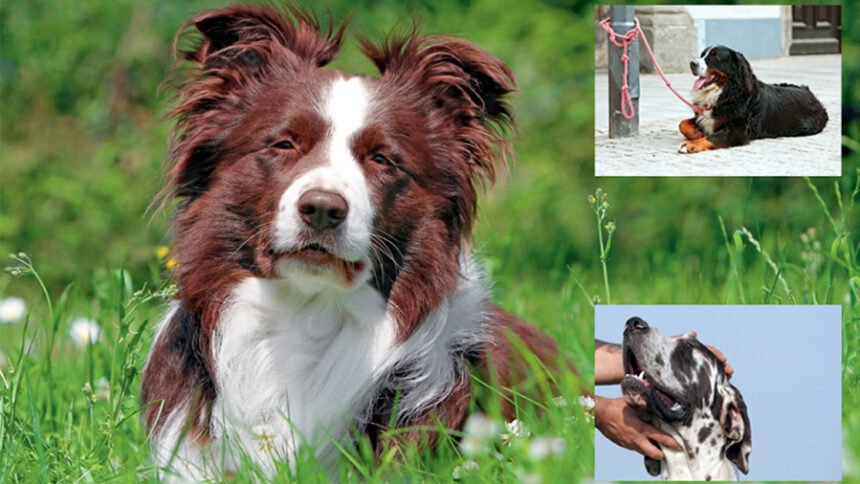
Stepping away from a devoted canine companion often triggers intense emotional friction for both parties. Modern lifestyle demands frequently force pet owners to leave their animals waiting outside shops, offices, or restricted public areas. Without proper psychological preparation, a dog views your departure as an alarming, permanent abandonment. This instinctual fear triggers high stress, continuous whining, and destructive attempts to break free. However, forcing compliance through aggressive shouting or physical punishment severely damages mutual trust.
Coercive tactics create deep emotional conflicts, increasing anxiety instead of building steady composure. Fortunately, behavioral science offers a serene, highly effective alternative grounded in natural pack dynamics. Early education transforms stressful separations into predictable, rewarding routines through gradual distance increments and positive reinforcement. By teaching your pet that every departure guarantees a joyful reunion, you establish absolute emotional security. Step into the world of positive canine training to unlock unwavering patience and lifelong trust.
Professional canine behaviorists designed a groundbreaking step-by-step training methodology in modern domestic environments to teach dogs essential stay commands safely and calmly. This progressive approach utilizes silent body language, gradual distance extension, and strategic treats to overcome natural separation anxiety. Ethological research reveals that domestic dogs perceive human families as social packs where temporary separations occur naturally during daily activities. Consequently, establishing predictable departure and reunion routines satisfies their innate psychological need for social cohesion.
Furthermore, trainers emphasize starting these educational exercises within quiet, familiar indoor environments during early puppyhood. Introducing silent hand gestures before vocal commands helps young dogs absorb static expectations without confusion. Gradually stepping backward while maintaining eye contact reinforces steady composure, which owners immediately reward upon returning. Consequently, this methodical process turns potential separation stress into a confident, highly rewarding waiting game.


The Ethological Foundation of Animal Separation
Wild canines regularly separate from their pack members to scout territory or hunt for food. Returning pack members perform enthusiastic greeting rituals consisting of prolonged vocalizations and physical contact. Translating these natural ancestral behaviors into modern human households makes temporary departures understandable for domestic dogs. However, handlers must keep these routines structured to avoid overexciting the animal during reunions.
Initially, handlers maintain total silence while placing a flat palm in front of the dog’s snout. Moving one foot backward and returning instantly allows the handler to deliver a high-value treat. Repeating this precise physical sequence over several days establishes a clear cognitive link between immobility and positive rewards. Once the dog demonstrates consistent calm, handlers introduce explicit verbal cues to solidify the training criteria.
Furthermore, evolutionary biology explains why dogs react strongly to sudden environmental isolation within unfamiliar territory. Instinctive survival mechanisms urge pack animals to maintain proximity to social leaders for safety against wild predators. When human handlers leave unexpectedly, dogs experience primitive panic responses that trigger barking, pacing, or chewing behaviors. Therefore, structured stay exercises recondition these primal fears into absolute confidence through predictable, repeated successes.



In addition, understanding pack psychology prevents handlers from interpreting early training failures as willful disobedience or stubbornness. Dogs process human movement patterns with acute visual awareness, reacting instantly to subtle changes in body language. A handler leaning forward nervously communicates tension, prompting the dog to break position out of social concern. Maintaining upright posture and calm breathing creates an environment where dogs feel secure remaining still.
Transitioning from Silent Gestures to Out-of-Sight Waiting
Introducing spoken commands like “Sit” or “Stay” reinforces the physical position the dog already maintains. Handlers step back two paces, pause briefly, and return to deliver neutral praise alongside appetizing treats. Increasing distance by one step daily ensures smooth progression without overwhelming the animal’s self-control. Varying the duration of separation teaches the dog that waiting yields guaranteed positive outcomes.
Next, handlers advance to out-of-sight exercises by stepping behind doorways or interior walls for brief seconds. Experiencing temporary disappearance inside familiar rooms prevents panic when transitioning to complex outdoor environments later. Extending hidden duration very slowly builds immense psychological resilience within the dog’s mind. Behavioral experts from The Humane Society advocate for these gradual exposure techniques to prevent severe separation anxiety.
Furthermore, timing the reward delivery plays a paramount role during early out-of-sight training progression. Handlers must deliver treats while the dog remains completely static in the designated training spot. Rewarding a dog that stands up prematurely accidentally reinforces movement rather than patient immobility. Precision in marking the exact moment of quiet stillness accelerates learning and clarifies behavioral expectations.
Additionally, introducing short rest periods between repetitive training sessions prevents mental fatigue in young animals. High concentration requires substantial neurological effort, rapidly depleting a young dog’s capacity for emotional self-regulation. Short five-minute sessions conducted twice daily yield far superior results compared to long, exhausting practice blocks. Keeping practice sessions brief ensures enthusiasm remains extremely high throughout the entire educational journey.
Safety Controls and Advanced Distraction Generalization
Practicing stay commands in public spaces requires absolute safety measures to protect dogs from unexpected environmental hazards. Handlers utilize long training leads ranging from five to ten meters to maintain physical control during outdoor sessions. Dropping the long leash onto the ground allows realistic distance practice while ensuring rapid intervention if necessary. Generalizing this behavior across parks, busy sidewalks, and outdoor cafes creates a truly reliable companion.
Furthermore, group training sessions offer excellent opportunities to practice staying immobile alongside other unfamiliar dogs. Aligning multiple dogs five meters apart permits handlers to step away simultaneously while holding their respective leashes. Returning together to reward all participants proves that group stay exercises are completely manageable and stress-free. Consolidating these social skills ensures brilliant behavioral control during real-world daily adventures.
In addition, environmental variables such as blowing leaves, passing bicycles, or barking stray animals test stay reliability. Handlers must systematically introduce low-level distractions before exposing animals to high-arousal outdoor scenarios. Beginning distraction proofing inside controlled indoor spaces ensures the dog builds a solid foundation of focus. Gradually increasing environmental complexity allows the animal to master impulse control without experiencing frustrating failures.
Moreover, utilizing varied surfaces during stay practice builds behavioral flexibility across different physical contexts. Dogs often associate commands strictly with comfortable living room carpets, struggling when asked to sit on wet grass or cold concrete. Practicing on wooden floors, gravel pathways, and park benches teaches the animal that the command applies universally. Broadening training environments ensures total reliability regardless of location or weather conditions.
Advanced Rewards and Conflict-Free Corrections
Using human assistants provides a brilliant method to extend waiting times without causing emotional frustration. A helper standing near the dog periodically delivers silent rewards while the primary handler remains hidden afar. This intermittent reward strategy shifts the dog’s hyper-focus away from the departing handler toward the pleasant helper. Alternatively, placing a bowl of treats two meters behind the dog creates an effective antagonistic reinforcement setup.
Harsh physical corrections or loud shouting destroy progress instantly when a dog breaks position prematurely. Punishing distance-based errors causes the animal to associate your return with threat and anger. Consequently, dogs become fearful of staying far away, increasing their urgency to break positions immediately. Handlers must return neutrally, gently reposition the dog, and reduce distance to guarantee immediate success.
Furthermore, subtle shifts in handler energy dramatically influence how dogs process corrective feedback during training sessions. Maintaining a neutral, matter-of-fact tone when repositioning an eager dog prevents emotional escalation and confusion. Treating position breaks as simple information errors rather than moral failings preserves the dog’s willingness to participate actively. This constructive mindset fosters an optimistic learning atmosphere where animals eagerly attempt complex tasks without fear.
Finally, concluding every training session with enthusiastic play, freedom, or affection cements an unbreakable bond of companionship. Allowing the dog to release physical tension through a game of fetch or tug transforms structured work into a rewarding pastime. This balanced combination of clear boundaries, emotional security, and playful celebration guarantees a confident pet that excels in every environment.