





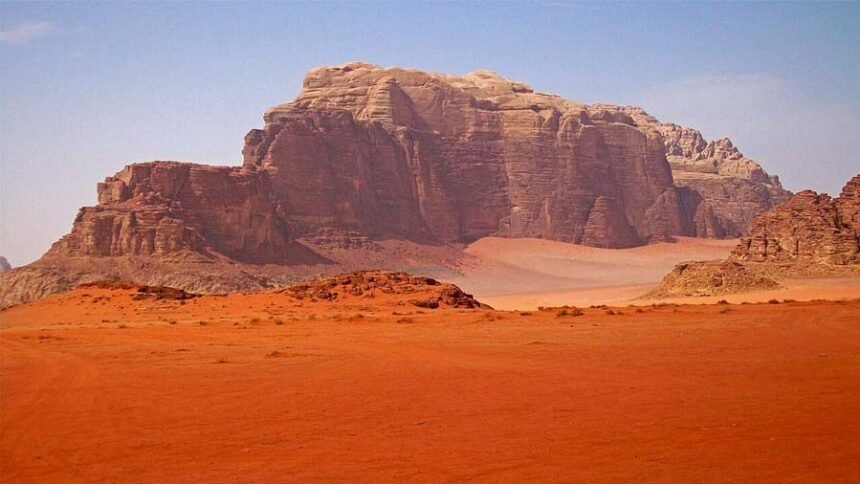
Golden sunlight strikes towering sandstone cliffs, casting massive shadows across an ocean of deep crimson dust. Wind howls through hollow rock arches, whispering ancient tales of fierce nomadic tribes, political betrayal, and epic desert battles. This spellbinding territory stretches far across southern horizons, captivating every daring traveler who steps onto its untouched terrain. Centuries of natural erosion sculpted gigantic mountain pillars that dominate the silent landscape with eerie authority.
Human history intertwines deeply with these harsh geological formations, creating a rich tapestry of rebellion and intrigue. Adventurers enter this vast wilderness expecting mere sand, yet they encounter a dramatic living stage filled with vibrant colors. Brilliant shades shift rapidly from burning ochre yellow to dark brick red as evening approaches. Furthermore, absolute silence envelops the valleys, offering visitors a profound sense of spiritual isolation from modern noise. Step closer into this mysterious realm, where history, cinema, and geography converge under a burning sun.
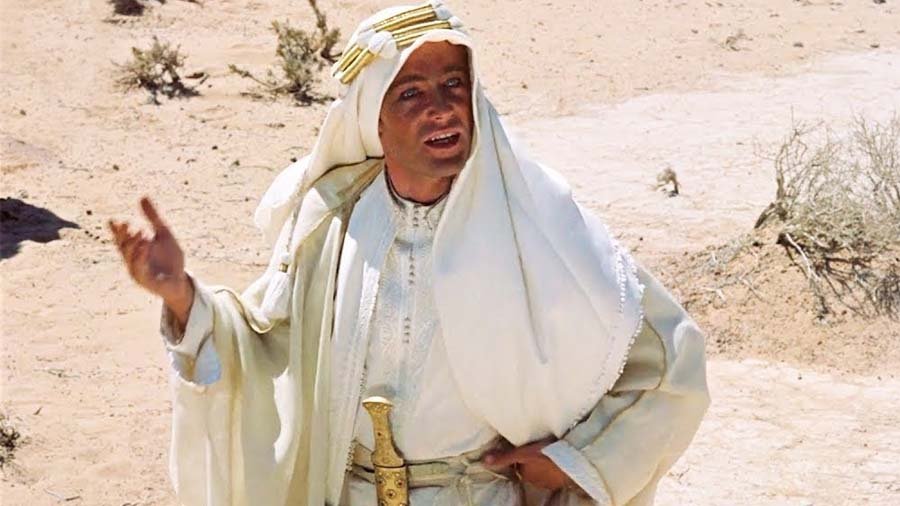
During the chaotic years of the early twentieth century, British intelligence officer Thomas Edward Lawrence forged a legendary alliance across the Wadi Rum in southern Jordan to lead Arab tribesmen against Ottoman rule. This archaeological scholar turned military commander documented his thrilling wartime experiences inside his famous literary masterpiece titled Seven Pillars of Wisdom. Consequently, his vivid written descriptions transformed this majestic desert into a worldwide sensation that later inspired an Oscar-winning cinematic production starring Peter O’Toole.
Subsequently, modern explorers abandon comfortable paved highways connecting Amman and Petra to venture onto dusty off-road tracks using powerful four-wheel-drive vehicles. Deep interior trails gradually reveal stunning natural landscapes that remarkably resemble outer space environments. Indeed, international movie directors recently selected these exact red dune locations to film Hollywood blockbusters like The Martian featuring Matt Damon.


Exploring the Epic Geological Wonders of Jordan
Geological forces spent millions of years shaping massive stone monoliths across this vast Jordan territory. High mountain ridges rise sharply above fine sand dunes, creating a stark visual contrast that mesmerizes every visiting photographer. Visiting tourists often compare these distinct landscapes to the barren surface of Mars due to their intense reddish pigmentation.
In addition, nomadic Beduin guides navigate these tricky desert pathways using specialized knowledge passed down through generations. Traversing rugged sandstone canyons reveals hidden spring water sources and ancient rock carvings carved by early desert civilizations. Moreover, travelers seeking authentic experiences frequently overnight in traditional desert camps underneath incredibly clear, star-filled night skies.
Furthermore, changing light conditions throughout the day transform the stark rock faces into ever-shifting canvases of natural art. Early morning rays illuminate soft yellow tones across towering monoliths, creating breathtaking photographic opportunities for early risers. Meanwhile, late afternoon shadows stretch dramatically across wide valleys, turning the vast sand plains into glowing oceans of fire. Consequently, visitors experience a constantly evolving visual spectacle that changes with every passing hour.


The Cinematic Legacy and Historical Echoes
Hollywood filmmakers constantly return to this majestic location because its untouched beauty offers unmatched visual drama. Cinematic history gained one of its greatest masterpieces when directors captured Lawrence’s heroic saga across these sweeping horizons. Consequently, global audiences developed a deep fascination with Middle Eastern history and its striking geographical wonders.
In addition, modern film crews utilize these otherworldly red landscapes to portray distant alien planets without relying heavily on digital special effects. Directors praise the pristine condition of the terrain, where endless horizon lines meet dramatic rock formations seamlessly. This natural backdrop provides filmmakers with an authentic visual canvas that enhances storytelling tension and dramatic atmosphere.
Furthermore, international organizations like UNESCO safeguard this cultural and natural reserve to preserve its delicate ecosystem for future generations. Preserving these historic sites ensures that curious global travelers can always walk in the footsteps of famous intelligence agents. Ultimately, this majestic desert remains a powerful symbol of human resilience, natural splendor, and timeless historical intrigue.
Navigating the Hidden Canyons and Ancient Trails
Beyond the famous cinematic locations lies a complex network of hidden canyons, natural stone bridges, and secret water channels. Skilled local drivers guide adventurous tourists deep into narrow gorges where sunlight rarely touches the sandy floor. These sheltered corridors provided vital protection and vital water resources for ancient caravans traveling along busy spice trade routes.
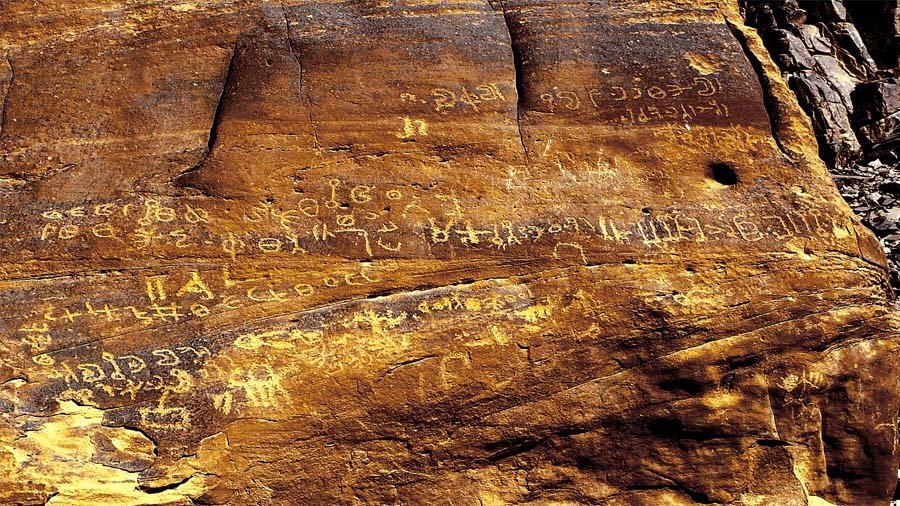
Additionally, ancient petroglyphs carved high upon sheer rock walls offer priceless glimpses into early human migrations and tribal lifestyles. Early inhabitants etched detailed images of camels, hunters, and symbolic language characters onto durable sandstone surfaces. Consequently, historians and archaeologists continuously study these outdoor galleries to decode the rich cultural heritage of past civilizations.
Furthermore, modern eco-tourism initiatives focus on protecting these sensitive historical artifacts while supporting remote desert communities. Responsible travel agencies work closely with indigenous families to ensure tourist activities do not harm delicate rock art or pollute natural water sources. Consequently, visitors contribute directly to local economies while enjoying immersive, educational wilderness excursions.
The Immortal Legend of Thomas Edward Lawrence
The historical impact of Thomas Edward Lawrence continues to shape international perceptions of the Middle Eastern desert landscape. His unique ability to immerse himself completely in local Bedouin culture earned him immense respect among tribal leaders during wartime conflicts. Moreover, his strategic military genius united scattered nomadic forces into a formidable guerilla army capable of challenging major imperial powers.
In addition, his personal writings balance intense military strategy with deep philosophical reflections on human nature and solitude. Readers across the globe admire his poetic descriptions of harsh environments, where physical endurance meets spiritual enlightenment under open skies. This literary legacy immortalized both the man and the land, creating an enduring mythos that transcends generations.
Ultimately, traveling through this majestic crimson wilderness allows modern visitors to reconnect with an extraordinary era of exploration and adventure. Standing beneath giant sandstone arches evokes a profound sense of wonder, reminding travelers of humanity’s small place within nature. Exploring these ancient sands offers an unforgettable journey into history, culture, and raw natural power.