






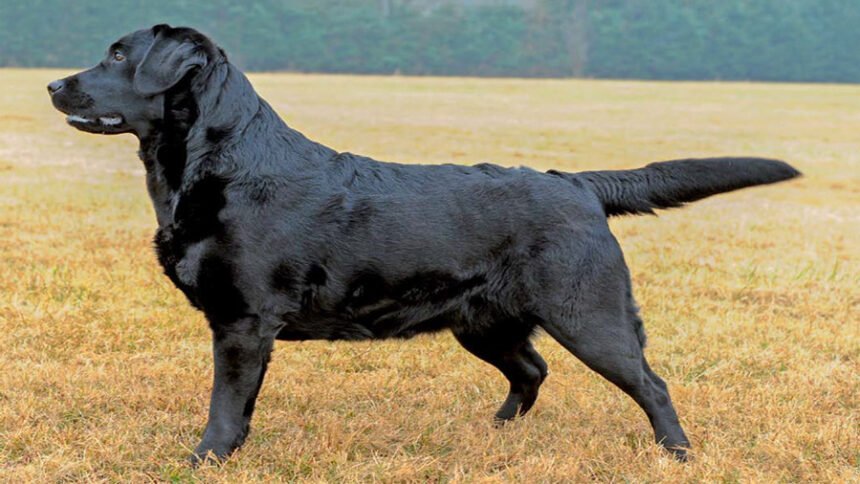
Shadowy waves off Canada’s frozen coast once challenged tough working dogs. These animals spent long days hauling heavy fishing nets alongside Atlantic mariners. Nineteenth-century British sailors quickly recognized those exceptional swimming skills. They transported the hardy water dogs across the Atlantic ocean toward European estates. Over decades of dedicated breeding, those resilient ocean workers evolved into versatile family companions. Today, they bring immense joy to millions of households worldwide.
Behind their famous warm smiles and energetic tail wags lies an astonishing intelligence. These dogs excel across demanding working environments. Emergency teams rely heavily on these powerful animals for dangerous rubble searches. They also perform maritime water rescues and complex disability assistance. Meanwhile, prospective owners must navigate essential health protocols. Proper care ensures these energetic companions thrive physically throughout their dynamic lives.
Proper joint care, balanced canine nutrition, and genetic screening protect young puppies. These measures remain critical during early growth phases. Furthermore, engaging these athletic dogs in specialized sport activities satisfies their psychological needs. They love to retrieve and work closely with human handlers. From historical fishing harbors to modern living rooms, this impressive breed constantly proves its unwavering loyalty.
Across international canine registries today, professional breeders and veterinary specialists prioritize the ethical management of the Labrador Retriever, Italy’s third most popular dog breed and Great Britain’s leading companion, where annual registrations reach nearly thirty thousand puppies. Historical documentation confirms that British fishermen originally imported these aquatic workers from Newfoundland during the nineteenth century to retrieve game and fishing nets from freezing waters. Modern canine experts explain that the breed’s innate desire to please humans makes these dogs exceptionally trainable for family life, blind assistance, and emergency search operations. However, veterinary orthopedic organizations stress that preventing hereditary joint issues requires mandatory parental genetic testing alongside strict diet management during the first six months of puppyhood. Additionally, sports enthusiasts encourage regular mental and physical engagement through specialized water disciplines to maintain optimal canine health.


Unveiling the Aquatic Origins of Europe’s Favorite Companion
Nineteenth-century mariners navigating Atlantic waters around Newfoundland initially relied on sturdy local working dogs. These animals pulled heavy fishing equipment through freezing waves. Impressed British sailors eventually transported these remarkably agile swimmers back across the ocean. Once settled in Great Britain, gamekeepers refined the animals’ natural instincts. They trained the dogs to retrieve fallen waterfowl during hunting expeditions.
Selective breeding emphasized gentle mouth control and extraordinary physical stamina. Breeders also focused on an intense willingness to cooperate with human partners. Consequently, the term “retriever” became the official designation for this tireless working lineage. Today, that rich historical legacy drives their passionate desire to fetch objects. They happily retrieve across both land and aquatic environments.
Furthermore, historical adaptation to cold maritime climates generated key physical traits. These dogs developed dense water-resistant coats and powerful webbed paws. These specialized anatomical features allow modern dogs to navigate rough water conditions effortlessly. Understanding this working history helps current owners appreciate their pet’s natural affinity for wet weather.



Understanding Temperament and Essential Early Education Needs
Subtle behavioral traits set these joyful dogs apart from other large working breeds. Their profound sensitivity, gentle nature, and lack of aggressive tendencies make them exceptional family companions. They thrive in households with young children. However, prospective owners must remember that these heavy-bodied animals maintain remarkably high energy levels during youth.
Because young dogs possess considerable physical strength, early obedience training remains absolutely essential. Structured education ensures harmonious home living. Fortunately, their strong desire to please human companions transforms daily training sessions into fun experiences. Positive reinforcement methods quickly establish clear boundaries while strengthening the emotional bond between dog and owner.
Vital Health Protocols and Hereditary Disease Prevention
Ensuring long-term physical wellness requires strict attention to hereditary joint vulnerabilities. Hip dysplasia and elbow dysplasia represent the most frequent orthopedic issues in fast-growing breeds. Therefore, careful selection of breeding stock remains critically important for overall health. Responsible breeders systematically evaluate parent dogs using official diagnostic scans before organizing litters.



Nevertheless, genetic screening alone cannot completely eliminate orthopedic risks. Conscientious owner management during early development remains essential. Rapid structural growth occurs during the first six months of life. This rapid growth leaves young joints particularly susceptible to mechanical stress. Avoiding high-impact exercise, preventing overfeeding, and managing body weight effectively protect growing puppies.
Furthermore, veterinary ophthalmologists recommend performing specific DNA testing to screen for hereditary ocular disorders like progressive retinal atrophy, cataracts, and retinal dysplasia. Cardiovascular evaluations also help identify potential heart anomalies before breeding animals pass conditions to future generations. Asking breeders for comprehensive diagnostic certificates empowers buyers to choose healthy puppies with confidence.
Engaging Physical Activities and Heroic Social Duties
Maintaining complete physical and mental satisfaction requires significantly more effort than short daily walks. Powerful working dogs thrive when owners engage them in athletic disciplines. Popular activities include Agility, Obedience, Rally Obedience, and tracking trials. Specialized hunting simulations using dummy bumpers allow these natural workers to exercise their innate retrieving instincts safely.


Similarly, American-born canine sports like Splash Dog showcase their remarkable diving abilities. Athletic dogs leap broad distances into deep swimming pools. Because these animals harbor an overwhelming love for water, swimming provides optimal low-impact conditioning. It protects aging joints while burning excess energy efficiently. Enthusiasts exploring dynamic outdoor hobbies can find comprehensive guidance on canine health across various expert resources. Beyond organized sports, their gentle intelligence enables these dogs to serve society in profound capacities. Search and rescue units deploy them across collapsed buildings and wilderness terrain to locate missing victims quickly. Additionally, specialized training institutions prepare them to work as guide dogs for visually impaired individuals. They also serve as therapeutic therapy companions and professional maritime rescue allies along crowded ocean beaches.