






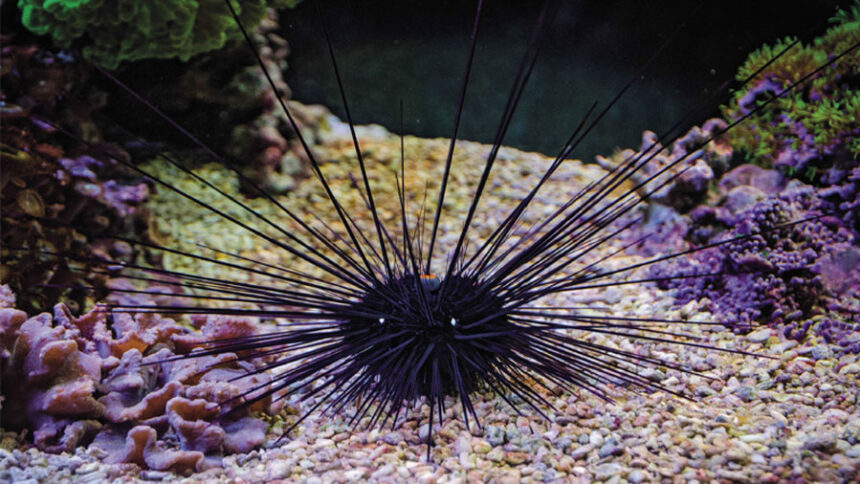
Shadowy marine depths hide fascinating biological miracles that have quietly survived massive planetary extinctions over hundreds of millions of years. Emerging long before towering terrestrial reptiles walked the earth, spiny marine invertebrates continue to dominate diverse saltwater environments worldwide today. Swimmers often fear their sharp exterior defenses, yet few humans truly understand the complex architectural wonders tucked beneath those piercing calcified armors.
Beneath the spiky surface lies an intricate network of hydraulic canals, microscopic sensory apparatuses, and specialized feeding structures described by ancient philosophers. Across the globe, demand from luxury seafood markets puts immense pressure on delicate wild populations, driving urgent regulatory measures and environmental enforcement actions.
Meanwhile, evolutionary toxicologists continue uncovering potent chemical compounds hidden within exotic Pacific species, revealing potential medical hazards alongside scientific breakthroughs. From prehistoric fossil records detailing narrow escapes from ancient sea monsters to strict modern catch quotas protecting coastal habitats, the comprehensive story of these remarkable marine organisms reveals an extraordinary ongoing saga of survival, adaptation, and ecological necessity.
Across global ocean ecosystems today, marine researchers and environmental authorities prioritize the protection of sea urchins, unique spiny invertebrates whose populations face severe pressure from illegal harvesting and habitat degradation. Inhabiting diverse aquatic environments from shallow tidal pools to dark abyssal zones, these globose organisms utilize complex hydraulic systems to navigate rocky seabed substrates. Historical records confirm that human culinary traditions have long prized these creatures across regions like Asia, Europe, and North America. However, recent ecological surveys indicate declining Mediterranean stocks, forcing governments to enforce strict catch limits to prevent total population collapse. Additionally, specialized medical teams highlight potential toxicity risks linked to exotic tropical species, while paleontologists continue uncovering fossil evidence of their prehistoric origins dating back to the Paleozoic era.


The Architectural Wonder of Living Spiky Spheres
Populating oceanic waters worldwide, approximately nine hundred and fifty species of sea urchins demonstrate extraordinary biological adaptations. Belonging to the echinoderm phylum alongside starfish and sea cucumbers, these creatures possess globose bodies covered in defensive spines. These sharp external structures easily break off inside predator tissue, causing intense localized pain, foreign body reactions, and secondary infections.
Living specimens hide their complex anatomical machinery beneath soft tissues, mobile spines, and specialized adhesive tube feet. When observers examine a dried exoskeleton, a distinct five-fold radial symmetry becomes immediately obvious, resembling sliced citrus fruit segments. Calcium carbonate plates fuse together to form this rigid protective casing, sheltering delicate vital organs tucked safely within the internal body cavity.
Situated at the center of the underside, the mouth features five muscular teeth known historical documents call Aristotle’s lantern. This intricate apparatus continuously scrapes algae and marine plants off hard underwater surfaces to nourish the grazing invertebrate. Conversely, the anus opens on the top surface near tiny reproductive pores that release genetic material directly into surrounding ocean currents.



Hydraulic Motion and Microscopic Visual Systems
Movement across shifting ocean floors relies entirely on an advanced internal hydraulic system operating through specialized fluid channels. This unique water-vascular network pumps liquid into tiny tube feet, allowing suction-cup extensions to grip rocky substrates firmly. Consequently, the organism crawls smoothly across vertical surfaces despite carrying heavy calcified armor against strong underwater currents.
Furthermore, recent scientific investigations highlight diffuse light-sensitive cells scattered across the creature’s entire outer surface tissue. These microscopic photoreceptors allow the eye-less animal to detect shifting light patterns, recognize potential threats, and direct intentional movements. By sensing shadow changes immediately, the organism rapidly points its sharp spines toward approaching predators to maximize physical protection.
Culinary Heritage and Modern Conservation Challenges
Culinary history reveals deep-rooted traditions of consuming these invertebrates across diverse coastal societies, including Japan, South Korea, and France. Worldwide, gourmets target approximately eighteen edible species, relying almost exclusively on wild-caught specimens gathered from natural habitats. In Mediterranean regions, coastal communities heavily harvest Paracentrotus lividus, a prominent species populating marine biodiversity hotspots and rocky reefs up to Scottish waters.



To combat severe wild population declines, Italian authorities instituted strict harvesting regulations starting back in 1995. Regional governments currently impose specific catch quotas and seasonal fishing bans to foster wild population recovery across vulnerable aquatic ecosystems. Nevertheless, illegal poaching remains widespread throughout southern European coastlines, prompting law enforcement agencies to confiscate tons of illegally harvested stock annually.
Lethal Toxins and Ancient Prehistoric Survival Stories
While most species rely on simple physical defenses, the Indo-Pacific flower urchin utilizes lethal venoms for self-defense. Lacking traditional long spines, this dangerous organism features specialized flower-like structures capable of injecting potent chemical compounds into threats. Toxins like contractin A and peditoxin disrupt nerve transmission, induce facial paralysis, trigger violent convulsions, and cause potentially fatal anaphylactic shock in humans.
Beyond toxicological hazards, fossil records show these spiny organisms inhabited ancient seas during the Paleozoic era, surviving massive evolutionary transitions. Paleontologists frequently discover intriguing evidence of prehistoric survival, such as fossilized exoskeletons displaying distinct predator bite marks. For instance, researchers analyzing a Danish fossil discovered bite wounds matching a massive prehistoric mosasaur, proving a giant marine reptile unsuccessfully attacked the armored organism sixty-six million years ago.