






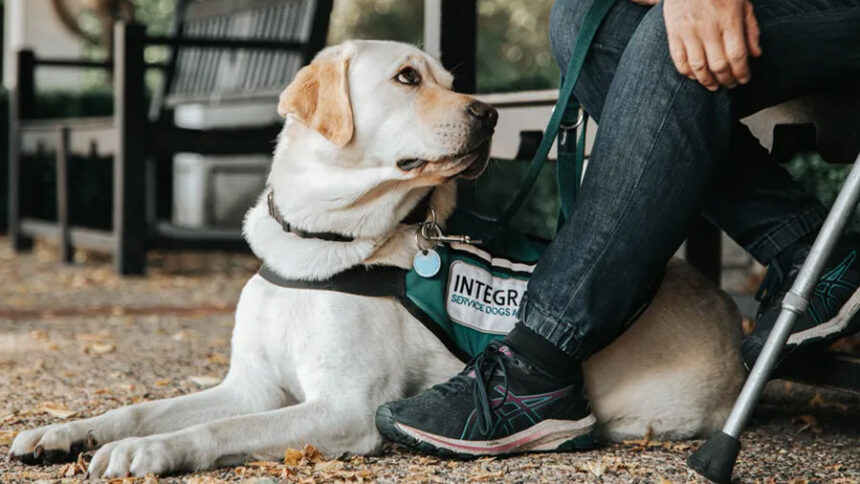
Centuries of evolutionary adaptation transformed fierce wild wolves into mankind’s most devoted domestic companions across the entire globe. Modern urban environments daily showcase dogs strolling through bustling shopping districts, resting inside peaceful cafes, and interacting with diverse human crowds. However, this seamless integration reflects far more than simple training or artificial domestic breeding choices. A dog’s fundamental existence relies on a powerful biological necessity known as the species social drive.
Without frequent, structured social encounters, dogs experience profound psychological isolation, distress, and severe behavioral confusion in human environments. Their survival architecture evolved specifically to seek ongoing companionship, shared activities, and emotional security within human social groups. Early developmental windows determine whether a young puppy views the surrounding human world with joyful curiosity or chronic anxiety. Understanding the biological mechanisms driving canine communication empowers owners to respect these sensitive animals properly. Join us as we explore the fascinating evolutionary science, emotional categories, and etiquette rules defining canine social intelligence.
Across international veterinary clinics and behavioral research centers today, certified animal behaviorists frequently analyze domestic dogs struggling with social anxiety caused by poor early socialization. Consequently, global welfare experts from the World Organisation for Animal Health emphasize that young puppies must experience structured exposure to diverse human environments between their third and twelfth weeks of life to ensure normal psychological development. Ancient wolves originally approached prehistoric human camps for leftover food, initiating a mutually beneficial alliance that reshaped canine biology over thousands of generations. Today, proper early exposure prevents aggressive panic reactions, fear-based avoidance, and severe stress during routine city interactions. Mastering gentle greeting techniques, respecting spatial boundaries, and recognizing canine emotional categories remain essential responsibilities for every conscientious dog owner globally.
The Evolutionary Arc and Early Developmental Window
Ancient history demonstrates how curious wolves altered their natural fear responses to access human food remnants near ancient settlements. Over successive generations, humans selected the most cooperative individuals for specialized working tasks, hunting support, and domestic companionship. Consequently, these evolutionary pressures altered canine physical traits, emotional temperaments, and cognitive abilities dramatically. Today, domestic dogs possess an innate biological urge to bond with human families, placing social contact high upon their hierarchical needs.


Furthermore, a brief developmental timeframe determines how successfully a dog adapts to complex human societies throughout its lifespan. Between three and twelve weeks of age, a puppy’s rapidly developing brain creates foundational mental maps of the world. Exposure to people of various ages, physical structures, ethnicities, and walking styles during this sensitive period ensures lifelong acceptance.
After twelve weeks, the brain’s natural receptivity toward novel human categories declines sharply, making spontaneous acceptance much more difficult. Later in life, dogs merely interact with human archetypes previously cataloged during that crucial developmental phase. Therefore, thorough early socialization forms an irreplaceable foundation for a confident, well-adjusted adult companion animal.
Additionally, missing this critical window often leads to heightened emotional reactivity in everyday scenarios. When an adult dog encounters an unfamiliar type of person for the first time, its brain interprets the novelty as a potential danger rather than a harmless variation. This instinctive hesitation can quickly manifest as defensive barking, retreating, or extreme physical tension.



Categorizing Human Relationships Within the Canine Mind
Dogs divide the human population into three distinct social categories based on familiarity, emotional investment, and daily interactions. The primary category encompasses the immediate human family, functioning essentially as the dog’s core social pack. Family members provide vital resources, structured play, physical affection, and daily outdoor walks, earning deep loyalty from the dog.
Beyond the immediate household, familiar acquaintances form a secondary circle of recognized individuals within the dog’s personal environment. Frequent home visitors, extended family, and regular neighborhood walking companions elicit enthusiastic greetings depending on the dog’s underlying personality. The third category includes casual strangers, such as veterinarians, groomers, and passersby encountered during daily outings.
Indirect interactions with strangers occur constantly when dogs navigate crowded sidewalks, public transport, or retail establishments alongside their owners. A properly socialized dog displays comfortable indifference or polite tolerance toward unfamiliar people without expressing fear, aggression, or sudden avoidance behaviors. This balanced emotional stability allows dogs to navigate complex human environments without experiencing unnecessary nervous system strain.



Moreover, a dog’s emotional response toward strangers depends heavily on how humans handle initial contact. While family members enjoy spontaneous physical affection, strangers who attempt sudden intrusions into a dog’s personal space risk overwhelming the animal’s comfort limits. Understanding these distinct relational boundaries helps humans avoid unintentional social blunders when interacting with unfamiliar pets.
Mastering Subtle Canine Etiquette and Respectful Greetings
Approaching an unfamiliar dog requires strict adherence to canine etiquette to avoid triggering defensive or fearful reactions. Direct eye contact, abrupt forward movements, and towering over a dog represent threatening gestures in canine body language. Instead, polite humans turn their shoulders slightly sideways, crouch down gently, and offer an open palm at a comfortable distance.
Furthermore, walking toward a dog in a slight curved path signals peaceful intentions and removes potential social confrontation. Allowing the dog to initiate scent investigation gives the animal control over the interaction, building immediate confidence. Once the dog willingly approaches, gentle strokes along the chest or chin offer comforting physical contact.
Additionally, touching sensitive areas like the ears, tail, mouth, or top of the head should remain strictly off-limits initially. Using a soft, calm vocal tone further reassures the animal, avoiding sudden high-pitched squeaks or deep alarming sounds. Humans must allow the dog to conclude the interaction naturally by stepping away whenever it desires space.
Respecting a dog’s personal boundary prevents defensive bites and establishes trust between humans and unfamiliar animals. Forcing physical contact upon a hesitant dog creates negative associations, increasing fear responses during future social encounters. Unlocking proper communication strategies enriches human-canine relationships, ensuring safety and mutual enjoyment across all public environments. Exploring comprehensive pet care insights at nature of dogs guidance portals empowers owners to cultivate confident, highly social companions.