





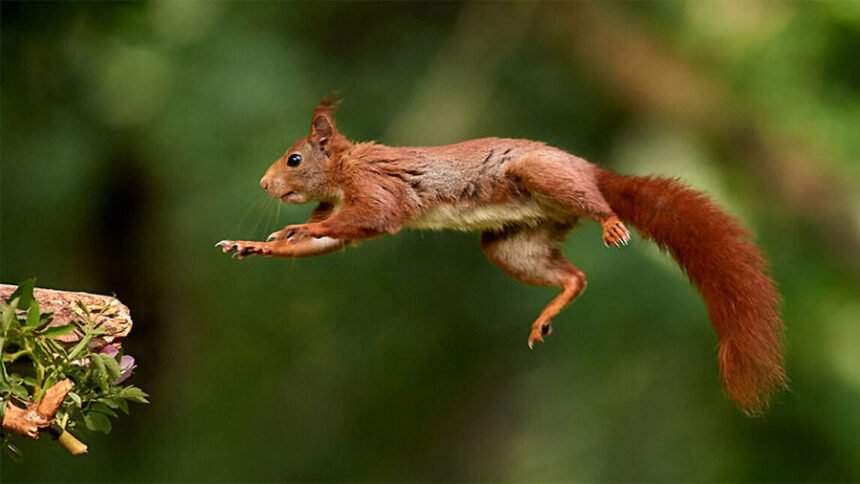
Shifting shadows flicker across dense tropical canopies as night settles over remote Australian and New Guinean rainforests. High above the forest floor, a tiny creature leaps fearlessly from an eucalyptus branch into open air. Extending its delicate body membrane, the agile traveler glides smoothly across forty meters of darkness toward another tree trunk.
This fascinating nocturnal mammal, known scientifically as Petaurus breviceps, spends its life maneuvering through vibrant woodland ecosystems. Behind its adorable oversized eyes and soft fur lies an astonishingly complex social structure based on deep family cooperation. Mothers carry their developing young inside protective pouches before teaching them vital survival skills high among the branches.
Furthermore, these athletic marsupials communicate through intricate vocalizations that only close family members fully understand. While their charming physical appearance tempts many exotic pet enthusiasts, experts warn that domestic captivity causes severe distress. Domestic homes present deadly hazards ranging from power cords to open water basins for these wild gliders. Understanding their specialized needs reinforces why these remarkable gliders belong exclusively in their native forest habitats.
Across the remote tropical rainforests of Australia and Papua New Guinea, wildlife biologists and conservation experts observe the Petaurus breviceps, commonly known as the sugar glider, an extraordinary nocturnal marsupial renowned for its impressive ability to glide over forty meters through dense tree canopies. Field researchers explain that these small tree dwellers maintain exceptionally strong family structures, where mothers raise their offspring inside specialized abdominal pouches before guiding them through high-altitude forest environments. However, animal protection organizations like ENPA issue urgent public warnings regarding the dangerous global trend of keeping exotic gliders as domestic apartment pets. Experts emphasize that domestic living spaces present fatal risks to these social mammals, which require expansive forest territories and specialized natural diets to reach their full fourteen-year lifespan in the wild.
Related News

Intricate Maternal Bonds and Aerial Adaptations High Above Ground
Female sugar gliders experience a brief sixteen-day pregnancy before giving birth to tiny, underdeveloped offspring. Immediately after birth, newborn joeys climb into their mother’s protective pouch, where they nurse and grow for over two full months. As young gliders mature, they gradually emerge from the pouch to explore their surrounding arboreal habitat under continuous maternal supervision.
A unique semi-prensile tail allows young gliders to cling securely to their mother’s fur during early climbing excursions. Additionally, family members interlock their tails while moving together through thick foliage, ensuring no individual gets lost in the dark. Large night-adapted eyes, sharp claws, and specialized teeth complete the physical profile of these agile, thirty-three-centimeter-long canopy residents.
The most spectacular physical feature remains the patagium, a thin stretchable membrane extending along both sides of their body. By spreading their limbs wide in mid-air, these lightweight hundred-gram mammals transform into skilled acrobats capable of long-distance glides. Consequently, this remarkable evolutionary adaptation helps them evade ground predators while foraging efficiently across vast forest areas.



Cooperative Social Dynamics and Specialized Nocturnal Nutrition
Unlike solitary predators that fight for dominance, sugar gliders operate through a cooperative group mindset that prioritizes family welfare. While male gliders forage for nutritious food across surrounding trees, mothers spend dedicated hours training and protecting their growing young. This collaborative division of labor strengthens colony resilience while maximizing offspring survival rates within challenging tropical environments.
Physical distinctions between sexes emerge clearly once individuals reach full adulthood after several months of growth. Adult males develop a small hairless scent gland on their foreheads, which they actively use to mark family territory boundaries. Meanwhile, females achieve full sexual maturity after eight months, experiencing dynamic twenty-nine-day reproductive cycles throughout their adult lives.
When night descends over the forest, these active foragers search the canopy for their preferred insect snacks like crickets and earthworms. Their optimal daily diet consists of thirty percent protein sources alongside seventy percent vitamin-rich plant foods and water-rich tropical fruits. Furthermore, these clever tree dwellers utilize complex vocal sounds that function as a private family communication network across the dark woodland.


Why Captivity Threatens the Survival of Exotic Marsupials
Despite their small size and affectionate appearance, sugar gliders remain completely unsuited for domestic life inside human residences. Animal welfare advocates cite alarming incidents where escaped pets suffered severe injuries or death inside urban apartments. Unforgiving household hazards include exposed high-voltage electrical cables, boiling stove burners, clear window glass panes, and open toilet bowls that mimic dangerous deep water pools.
Confining these active canopy flyers inside metal cages inflicts profound psychological suffering, restricting their natural impulse to glide across trees. Furthermore, young children may accidentally injure these delicate creatures by treating them like soft stuffed toys rather than fragile wild animals. Removing native species from their natural ecosystems disrupts regional biodiversity and destabilizes wild food webs over time.
Wildlife protection groups stress that these athletic animals belong exclusively within native eucalyptus, coconut, and acacia forests near the Pacific Ocean. Scientists estimate that healthy wild populations currently exceed ten thousand individuals across Australia and New Guinea. Interested readers seeking authoritative information on marsupial conservation can explore comprehensive research published by international wildlife organizations. Discovering more about global environmental protection efforts helps safeguard fragile ecosystems for future generations via our homepage news network.