



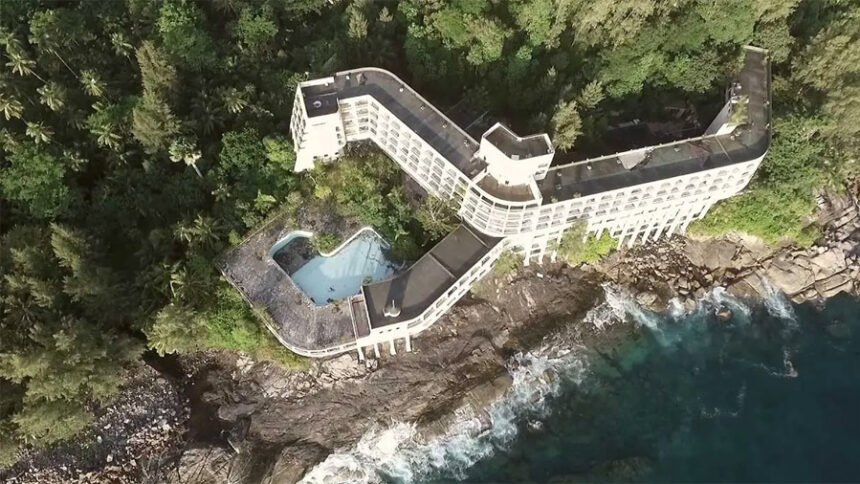
Crystal waves gently lap against the sun-drenched shores of Port Glaud, masking a dark architectural mystery standing high above the limestone cliffs. Decades ago, champagne glasses clinked under glittering chandeliers while glamorous guests celebrated unforgettable tropical nights. High society travelers from across the globe arrived eagerly, transforming this majestic destination into an ultimate sanctuary of luxury and prestige.
Today, eerie silence dominates the desolate structure, replacing once-vibrant musical performances and bustling poolside cocktail hours. Dense jungle vines creep relentlessly over cracked concrete balconies, while oceanic winds howl through shattered window frames. Mysterious nighttime sounds echo through empty elevator shafts, fueling chilling ghost stories among curious islanders and daring explorers.
Urban explorers constantly risk trespassing penalties to glimpse the decaying presidential suites and empty casino floors. Weathered warning signs fail to deter adventurous travelers seeking to uncover the dark history behind this abandoned paradise. Step inside this forgotten ruin to discover how changing tourist demands and corporate decisions created a haunting island enigma.
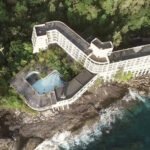
Across the western coast of Mahé today, international travel journalists and urban explorers document the eerie decay of the former Sheraton Hotel, proving how shifts in luxury tourism ruined a once-famous resort. Historical records confirm that investors built this massive cream-colored concrete complex atop steep limestone cliffs facing Port Glaud beach during the 1970s. Wealthy magnates, movie stars, and beauty pageants gathered at this iconic location for decades to experience pioneering infinity pools and vibrant nightlife shows. However, global hotel conglomerates abandoned the aging property during the late twentieth century after constructing modern beachside resorts nearby. Currently, crumbling floors, missing furniture, and persistent ghostly rumors draw adventurous tourists despite explicit security warnings and physical barriers prohibiting public entry.
Related News
From Hollywood Glamour to Forgotten Concrete Shadows
During the golden era of long-distance aviation, jet-set travelers discovered the breathtaking natural beauty of the Seychelles archipelago. Luxury pioneers constructed a massive cream-colored concrete resort directly into the rugged limestone cliffs of western Mahé. Elegant corridors echoed with laughter as international high society members arrived to enjoy breathtaking panoramic views of the Indian Ocean.
Guests gathered beside pioneering infinity pools while lively servers delivered colorful tropical cocktails under bright sun umbrellas. The resort showcased dazzling evening entertainment, including the renowned “Copacabana” show that captivated glamorous visitors nightly. Indeed, the prestigious property even hosted the world-famous Miss World pageant during 1898, solidifying its international reputation for supreme elegance.
Changing Tourism Trends and Sudden Corporate Abandonment
Eventually, corporate leaders sold the iconic clifftop property to a major international hotel conglomerate seeking expansion opportunities. However, corporate executives chose not to modernize the existing structure to meet evolving traveler preferences. Instead, developers constructed an entirely new luxury resort directly on the sandy shoreline below the original building.



Modern tropical architecture prioritizes eco-friendly thatched roofs and natural materials that blend seamlessly into surrounding palm trees. Consequently, the massive concrete hotel stood out as an environmental eyesore compared to modern eco-resorts. Wealthy visitors gradually preferred beachside bungalows, prompting management to close the clifftop landmark permanently and abandon its sprawling facilities.
Decay, Trespassing Explorers, and Spectral Island Legends
Today, rusting security wire and strict warning signs declare the decaying complex a hazardous private property. Nevertheless, curious tourists and former hotel employees frequently trespass onto the grounds to explore shattered glass corridors. Over the years, local residents removed remaining furniture, leaving empty casino halls, stripped nightclubs, and ruined presidential suites.
Former staff members often show their families where they once served famous international celebrities during peak operational years. However, when night falls and darkness covers the unlit ruins, visitors quickly vacate the dangerous premises. Local stories claim mysterious spectral presences haunt the empty halls after dark, producing faint musical notes and strange echoes.


Preserving Island History and E-E-A-T Travel Standards
Venturing into abandoned tropical structures carries severe safety risks due to structural instability and deteriorating floorboards. Professional travel journalists emphasize verified safety guidelines and legal compliance when reporting on dangerous urban exploration locations worldwide. Understanding environmental regulations helps modern travelers appreciate how sustainable hospitality practices protect delicate coastal ecosystems today.
Documenting historic architecture requires objective reporting, respecting local laws, and acknowledging official property boundaries continuously. Curious readers seeking additional authoritative environmental analysis can explore global hospitality industry trends through certified international sources. Furthermore, browsing our homepage reveals more captivating investigative stories regarding abandoned historical landmarks around the world.