






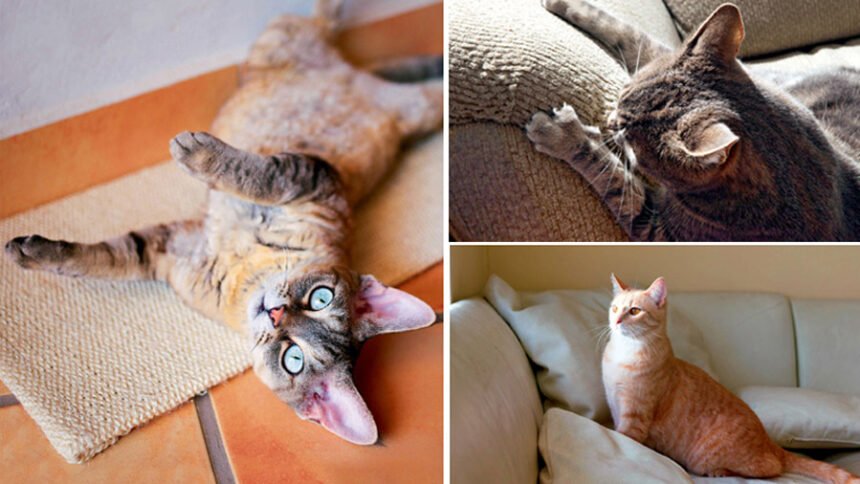
Delicate paws tread silently across hardwood floors before sharp claws suddenly sink into expensive living room furniture. Frustrated pet owners frequently witness unexpected behavioral shifts, including midnight vocalizations, sudden biting incidents, and territorial marking outside designated litter areas. These challenging actions rarely stem from spiteful intentions; instead, they represent desperate attempts to communicate emotional distress within restrictive human living spaces.
- Taming Destructive Clawing Through Smart Sensory Distractions
- Curbing Nighttime Chaos and Early Morning Vocal Demands
- Managing Feline Green-Eyed Monsters During Household Changes
- Neutralizing Sudden Play Aggression and Unexpected Ankle Attacks
- Resolving Cohabitation Friction Between Unmatched Feline Personalities
- Unlocking Causes Behind Litter Box Avoidance and Marking Issues
- Helping Anxious Felines Overcome Fear of Unfamiliar Guests
- Overcoming Olfactory Disruption Following Routine Veterinary Visits
Urban apartment living frequently suppresses essential predatory instincts, leaving energetic animals anxious, understimulated, and deeply confused. Furthermore, subtle changes within household routines or the sudden introduction of unfamiliar guests can shatter a sensitive feline’s sense of environmental security. When human guardians misinterpret these silent cries for help, family harmony quickly deteriorates into mutual stress and ongoing frustration.
Fortunately, modern veterinary psychology offers effective, science-backed solutions that bridge the communication gap between humans and domestic felines. By understanding territorial marking, social hierarchies, and sensory triggers, owners can resolve behavioral problems without resorting to harsh punishments. Implementing targeted lifestyle adjustments ensures a peaceful, loving co-existence that honors your pet’s wild lineage.
Across urban households today, animal behaviorists and feline specialists publish comprehensive welfare guidance addressing common domestic cat behavioral problems, proving that environmental enrichment and strategic training effectively resolve destructive habits. Experienced veterinary experts analyze household conflicts ranging from furniture scratching and nocturnal restlessness to sudden territorial aggression toward new pets or human guests. Their findings confirm that feline behavioral issues typically stem from suppressed natural instincts, sensory overload, or miscommunicated emotional insecurity rather than intentional malice. Consequently, specialists advise pet owners to implement consistent daily routines, provide appropriate outlet toys, and utilize positive reinforcement techniques to restore household harmony while safeguarding long-term animal wellbeing.


Taming Destructive Clawing Through Smart Sensory Distractions
Feline clawing serves vital biological purposes, functioning as both a visual boundary marker and a crucial scent-marking mechanism. Paw pads contain specialized scent glands that deposit unique chemical identifiers onto scratched surfaces during horizontal or vertical stretching movements. Consequently, a cat naturally returns to previously marked sofa legs due to lingering olfactory cues and entrenched muscle memory.
To divert claws toward appropriate scratching posts, owners must render targeted furniture physically unappealing to curious paws. Wrapping vulnerable table legs in bubble wrap or loose fabric creates an unstable texture that deters determined scratching attempts. Alternatively, applying double-sided adhesive tape or rubbing fresh lemon peels onto upholstery utilizes natural tactile and scent repellents effectively.
Curbing Nighttime Chaos and Early Morning Vocal Demands
Indoor cats rarely sleep continuously through the night, preferring short nap cycles interspersed with rapid territorial patrols around the home. Understimulated apartment pets often conserve energy during quiet daytime hours, triggering explosive nocturnal energy outbursts across dark hallways. Owners can successfully curb midnight racing by scheduling an intense hour of interactive play shortly before bedtime using feather wands.



When hungry pets vocalize loudly at dawn, desperate owners must avoid immediate feeding responses to break the rewarding behavior loop. Instead, guardians should practice strict patience, ignoring persistent morning meows completely until the animal settles down into silence. Gradually extending the waiting period before serving breakfast teaches intelligent pets that quiet patience alone yields desired food rewards.
Managing Feline Green-Eyed Monsters During Household Changes
Introducing a second cat frequently triggers intense jealousy, causing resident pets to exhibit sudden widespread aggression or emotional depression. Resident animals link lost parental attention directly to the newcomer, sparking defensive behaviors like food refusal, litter avoidance, or escape attempts. Maintaining strict daily feeding schedules and established family rituals helps reassure anxious resident felines during major household transitions.
Family members should bestow extra affection upon the senior pet, especially within the direct presence of the new companion. This positive association technique encourages the original resident to view the newcomer as a predictor of rewards rather than a threat. Consistently preserving established territory boundaries prevents long-term stress and fosters peaceful co-existence between multiple animals.



Neutralizing Sudden Play Aggression and Unexpected Ankle Attacks
Apartment cats lacking adequate physical outlets sometimes channel suppressed hunting instincts toward human ankles, wrists, and moving footwear. Animal psychologists classify these sudden biting incidents as play aggression rather than genuine hostility, recommending appropriate outlet toys like synthetic mice. Guardians must never encourage hand-wrestling games with young kittens, because early habits establish dangerous adult biting patterns.
When a cat attempts to bite during petting sessions, owners should immediately freeze all movement and stop physical contact. Ceasing interaction instantly teaches the animal that aggressive physical play brings an immediate end to desirable human attention. Providing cat trees and engaging puzzle feeders further satisfies natural predatory drives safely within domestic environments.
Resolving Cohabitation Friction Between Unmatched Feline Personalities
Introducing an unfamiliar feline into an established home often sparks persistent territorial friction and unexpected physical altercations between animals. Felines possess highly possessive attitudes regarding personal territory, requiring gradual, controlled introduction processes before sharing restricted living quarters. Keeping new pets temporarily in separate rooms allows both animals to acclimate to unfamiliar scents without direct physical confrontation.



Owners should encourage joint play sessions across shared spaces while carefully praising dominant animals to maintain social stability. Equal food distribution and identical attention allocation prevent dangerous rivalries from developing between sensitive household companions. However, if violent territorial attacks escalate continuously despite patient interventions, permanently rehoming one animal may remain the only humane choice.
Unlocking Causes Behind Litter Box Avoidance and Marking Issues
Even meticulously trained pets occasionally eliminate outside designated litter boxes, sending urgent olfactory messages regarding underlying emotional distress. Feline urine functions as a complex communication tool, signaling heightened anxiety, disrupted daily routines, or territorial insecurity to surrounding residents. Maintaining impeccably clean litter trays situated far from feeding areas helps resolve basic elimination problems across most indoor environments.
Using specialized enzymatic cleaners eliminates lingering urine scents that continually attract stressed pets back to improper indoor marking locations. Rubbing fresh citrus peel onto targeted carpet spots creates a natural scent barrier that discourages repeated elimination attempts effectively. Guardians managing multiple cats should provide individual litter boxes for each animal plus one additional tray to ensure complete territorial coverage.
Helping Anxious Felines Overcome Fear of Unfamiliar Guests
Sensitive indoor cats frequently fear unfamiliar human visitors, reacting to unexpected house guests with intense anxiety, hiding, or defensive posture. Territorial females defend home boundaries particularly fiercely, viewing loud intruders as direct threats to their established daily routines. Owners should comfort timid pets with favorite treats and gentle playtime before visitors arrive to build positive social expectations.


Guardians must never force fearful animals to interact with unfamiliar guests or remove them forcibly from safe hiding places. Allowing anxious pets to retreat undisturbed to quiet sleeping areas respects their natural coping mechanisms and reduces overall stress levels. Over time, patient exposure without forced physical contact helps insecure animals build lasting confidence around visiting humans.
Overcoming Olfactory Disruption Following Routine Veterinary Visits
Cats rely heavily upon olfactory identification rather than visual recognition, recognizing familiar housemates primarily through shared group scents. When one resident pet returns from a veterinary clinic, clinic disinfectants completely mask its normal personal aroma, causing confusing territorial misunderstandings. Surprised housemates often attack the returning animal because it smells like an intruder rather than a familiar companion.
Isolating the treated animal in a separate room allows any residual clinic odors to dissipate naturally before the pets are reunited. Patting each cat individually with a clean towel redistributes the shared odors throughout all animals, effectively restoring their shared group scent identity. Seeking professional guidance on cat behavior helps pet owners address complex behavioral challenges with confidence and expert support. Implementing these compassionate techniques ensures lasting harmony.