






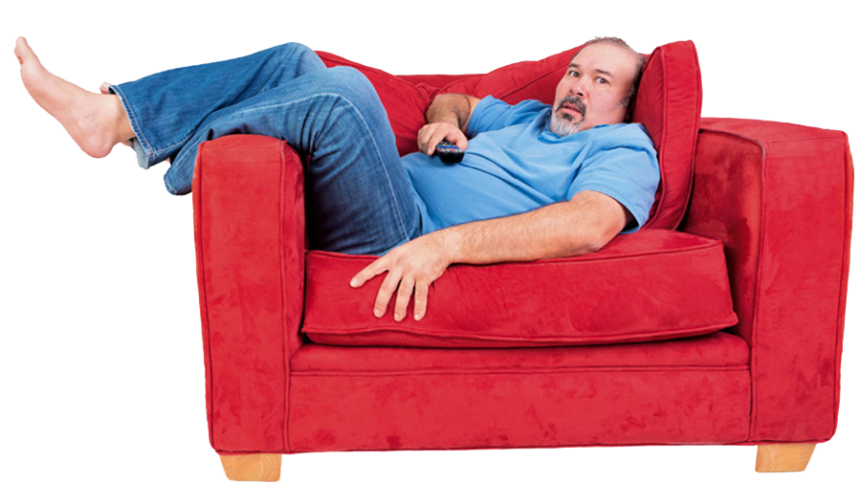
Modern employment forces millions into physical stillness daily, creating severe health hazards that traditional workouts cannot repair. Global researchers now report alarming mortality jumps among sedentary desk workers, revealing striking gender disparities. However, innovative corporate initiatives are reimagining standard office environments into dynamic wellness hubs, proving that active workplaces offer life-saving protection against chronic diseases while fundamentally redefining professional routines
Every morning, millions of dedicated corporate workers comfortably settle into ergonomic office chairs, totally unaware of the invisible medical ticking clock quietly counting down beneath them. Standard business routines seem entirely harmless, yet prolonged inactivity steadily alters internal metabolic functions, progressively setting off subtle biological alarms. Routine evening walks or occasional gym sessions feel reassuringly protective, but recent medical research delivers an unsettling wake-up call to office culture. The modern workforce faces unprecedented physical consequences, turning regular desk jobs into unexpectedly hazardous environments for long-term health.
In Atlanta, Georgia, epidemiologists at the American Cancer Society recently concluded a landmark 14-year study tracking 123,000 middle-aged adults to measure how desk-bound routines influence long-term health risks. Epidemiologist Alpa V. Patel explained that individuals remaining seated for over six hours daily face dramatically elevated mortality rates compared to active counterparts, even after adjusting for diet. Specifically, sedentary women experience an astonishing 37 percent rise in overall mortality, while stationary men encounter a notable 17 percent increase. Researchers continuously investigate why females suffer significantly higher biological damage from stationary routines.
Furthermore, medical experts highlight how continuous daily immobility suppresses vital cellular activity within human muscles. Consequently, muscles gradually slow down the production of key enzymes that clear fats from human bloodstreams. Furthermore, stationary posture forces the human cardiovascular system into prolonged state of sluggish circulation. Consequently, arterial walls accumulate microscopic damage over decades of continuous desk work. Modern medical data confirms that regular cardiovascular exercise cannot fully counteract eight hours of continuous daytime sitting.

The Biological Mechanism Behind Stationary Health Breakdown
When human bodies sit motionless for extended intervals, fundamental physiological transformations occur almost immediately throughout major organ systems. First, large leg muscles completely cease electrical contraction, abruptly shutting down vital metabolic pathways that process circulating glucose. Consequently, blood sugar levels remain elevated after ordinary meals, forcing the pancreas to secrete excessive insulin. Over time, this chronic metabolic stress drastically accelerates insulin resistance and heightens diabetes susceptibility among office workers.
Additionally, prolonged physical stillness suppresses the key enzyme lipoprotein lipase, which breaks down harmful blood triglycerides. Lacking active muscular contractions, human bodies store circulating lipids directly into adipose tissue or vascular walls. Therefore, desk workers face significantly higher risks of developing dangerous arterial plaques despite maintaining lean physical appearances. Medical researchers categorize this distinct metabolic syndrome as active physiology breakdown caused by prolonged mechanical stillness.
In contrast, brief physical movements continuously stimulate vascular endothelial cells, prompting them to release protective nitric oxide. Nitric oxide maintains arterial elasticity while preventing dangerous blood clots from forming inside major veins. Furthermore, regular muscle engagement dramatically enhances lymphatic fluid circulation throughout human tissues, removing cellular waste products. Without frequent movement, metabolic waste accumulates locally, triggering systemic low-grade inflammation throughout the body.



Comparing Modern Office Workers With Active Household Routines
Interestingly, public health epidemiologists draw stark contrasts between conventional corporate personnel and active household workers regarding daily movement. Homemakers rarely perform structured athletic workouts like competitive running or intense swimming sessions in public pools. However, homemakers constantly engage in light physical tasks, walking thousands of micro-steps during routine household chores. Consequently, their continuous low-intensity muscular activation provides sustained vascular protection that counteracts metabolic sluggishness throughout the day.
Conversely, typical office professionals maintain intense physical immobility for seven or eight consecutive daytime hours. Even when these professionals complete rigorous gym sessions after work, prolonged daytime immobility leaves lasting cardiovascular damage. Medical scientists emphasize that three weekly workouts cannot erase twenty-eight hours of weekly chair immobility. Therefore, continuous light activity throughout daytime hours offers superior health benefits compared to isolated evening fitness bursts.
Across Europe, health surveys indicate that thirty-five percent of citizens sit for over seven hours daily. Urban centers register even higher immobility rates, reflecting heavy concentration of financial, administrative, and technological services. Consequently, chronic conditions such as hypertension, type 2 diabetes, and metabolic syndrome surge across metropolitan populations. European public health organizations now classify workplace sedentary habits as major societal health hazards requiring urgent intervention.

Reimagining Corporate Workspaces Into Dynamic Health Centers
Recognizing these severe medical risks, forward-thinking medical organizations now urge employers to restructure standard corporate office environments. Medical experts emphasize that corporate workplaces represent ideal platforms to educate workers and foster long-term health habits. Implementing standing workstations, adjustable desk converters, and treadmill desks allows employees to complete tasks while moving naturally. Furthermore, these environmental modifications reduce daily chair exposure while maintaining overall office output and focus.
Additionally, modern corporate leaders introduce structured micro-break protocols that encourage employees to stand every thirty minutes. Brief two-minute walk breaks rapidly reactivate key metabolic enzymes, instantly clearing excess glucose from circulating blood. Moreover, companies design walking meeting routes that replace conventional conference room sessions with active outdoor discussions. These creative administrative shifts protect employee health while simultaneously boosting creative problem-solving and team collaboration.
Simultaneously, occupational health specialists utilize digital wellness applications to send automated posture and movement reminders directly to desktop screens. These subtle digital prompts encourage workers to stretch, walk, or perform light physical movements without interrupting productivity. Consequently, corporate teams experience lower absenteeism, reduced musculoskeletal complaints, and improved daily energy levels. Investing in employee physical activity yields tangible economic returns through lowered healthcare expenditures and increased operational efficiency.
Scientific Recommendations For Combating Sedentary Danger Daily
To maximize personal longevity, health authorities advise office workers to track their daily non-exercise physical activity systematically. Experts recommend accumulating at least ten thousand total steps daily through scattered micro-movements across working hours. Taking stairs instead of elevators, walking during phone calls, and standing during brief discussions significantly reduce cumulative chair time. Furthermore, combining regular workplace movement with balanced nutritional habits provides powerful defense against early mortality. Epidemiologists stress that eliminating continuous sitting intervals represents an urgent public health imperative for modern societies. Medical literature confirms that interrupting physical stillness every half hour yields measurable improvements in vascular function and lipid profiles. By adopting proactive movement strategies, corporate professionals effectively neutralize severe sedentary behavior risks throughout their professional careers. Ultimately, transforming daily work routines saves lives, restores vitality, and secures long-term wellness for the global workforce.