






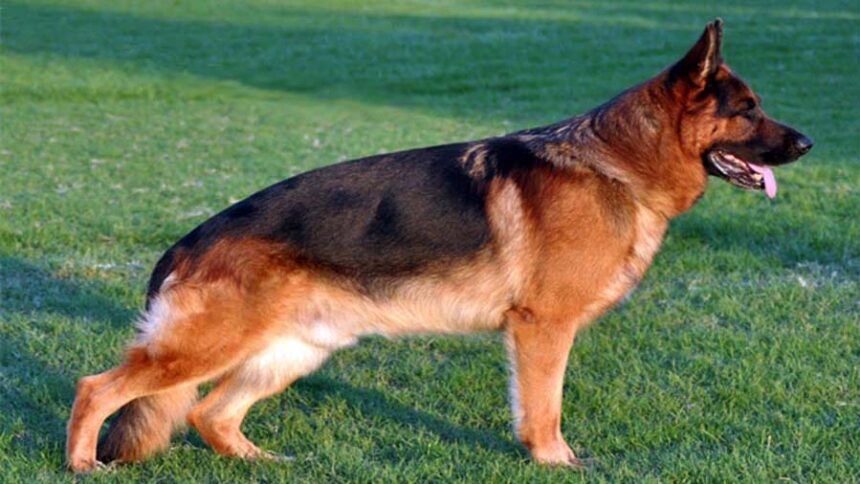
The German Shepherd stands as a global symbol of canine excellence, blending raw power with unmatched cognitive depth. Born from the visionary efforts of Max von Stephanitz in the late nineteenth century, this breed has transcended its origins as a herder. Today, it operates in the most critical global sectors, from frontline security to life-saving disaster recovery. However, this remarkable versatility comes with a steep price, necessitating highly conscious ownership. As we explore the history surrounding this working breed, it becomes clear that understanding unique German Shepherd intelligence traits remains essential. This knowledge helps owners manage their immense cognitive and physical capabilities safely within a domestic environment.
History remembers the German Shepherd through the lens of Max von Stephanitz, a Prussian officer who viewed animals through an analytical prism. In the late 1800s, he sought to curate the specific features of local herding dogs, focusing strictly on absolute utility. He did not aim for mere aesthetic perfection. Instead, he envisioned an animal capable of executing complex tasks in any hostile environment.
Evolutionary History and German Shepherd Intelligence Traits
Von Stephanitz’s core philosophy was that physical beauty without practical function was fundamentally useless. Consequently, he introduced rigorous temperament testing that remains a standard for responsible breeders today. By prioritizing mental stability and working drive over superficial looks, he built a genetic foundation of immense quality. This pioneering approach explains why the breed learns behavioral commands with such startling speed. Modern practitioners who ignore this focus on temperament do so at the expense of the breed’s true cognitive essence.
The success of this methodology serves as a vital framework for preserving the structural integrity of this exceptional working partner. Therefore, analyzing German Shepherd intelligence traits allows researchers to document how select working lineages process complex environmental stimuli. The reputation of the German Shepherd is further cemented by its incredible operational competence across multiple fields. Featuring a highly refined sense of smell and unparalleled nervous stability, these dogs excel in high-stakes professional roles. They are the heroes of search-and-rescue operations in alpine terrains or within massive earthquake ruins.
Operational Competence and Collaborative Partnerships
They are also trusted to detect hazardous materials for law enforcement agencies worldwide. Their innate ability to assess a complex context and act decisively makes them nearly impossible to replace in public safety sectors. However, viewing this breed solely as a tool for work remains a profound mistake. When properly integrated into a domestic environment, the German Shepherd reveals a protective and deeply loyal nature. Yet, owners must understand that constant inactivity remains the ultimate enemy of their mental stability.
An unengaged dog will inevitably struggle with frustration, anxiety, and behavioral conflict. True owners treat the dog as a collaborative partner, engaging in technical disciplines like agility, obedience, or nose work. This active partnership is built on mutual respect, not robotic servitude. A happy Shepherd is an active one, thriving on the shared purpose between dog and owner. Consequently, highlighting these German Shepherd intelligence traits through structured tasks keeps their active minds fully balanced and focused.

Structural Challenges in Modern Breeding Practices
Mass popularity is often a curse for specialized working dogs, and the German Shepherd has suffered significantly. The surge in global market demand has invited reckless breeding focused purely on quick financial gain. These amateur operations often bypass essential health screenings, ignoring the severe consequences for the puppies involved. The most devastating result is the prevalence of hereditary orthopedic issues across generations. Hip dysplasia remains a rampant, debilitating challenge that condemns countless dogs to lives of limited movement.
Prospective owners must exercise extreme caution to avoid supporting this unethical trade. Therefore, the only way to safeguard your future partner is to demand official health certifications from reputable international experts. Serious organizations offer rigorous oversight, ensuring that puppies meet strict morphological and psychological criteria. Choosing a verified breeder is an ethical obligation, not a mere formality. By investing the time to verify genetic quality, you actively combat the underground pet trade, protecting German Shepherd intelligence traits and physical welfare simultaneously.
Authoritative Leadership and Socialization Frameworks
German Shepherds are defined by their high reactivity, an inherited trait that makes them excellent protectors but also demands expert guidance. Because they are instinctively wired for defense, early socialization is not optional; it remains entirely critical. Puppies should be exposed to a diverse array of strangers, animals, and changing environments during their formative months. This active process is the key to forging an adult that is both confident and balanced. Without this foundation, the dog may misinterpret environmental stimuli, resulting in unnecessary defensive reactions. The training process never truly ends. It continues throughout the dog’s life through daily interactions and respect for its ethological needs. Owners should avoid harsh, physical discipline, as these negative inputs often trigger permanent cycles of behavioral anxiety. Instead, a successful relationship is based on authoritative leadership and mutual trust. When an owner provides clear guidance, the Shepherd’s natural generosity and intelligence flourish. In the end, this breed does not want a master to dominate it. It wants a true leader to follow.