






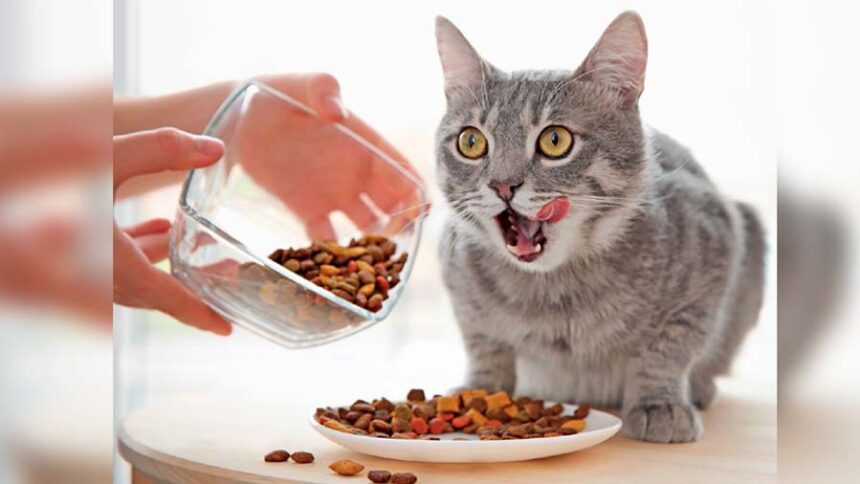
The connection between diet and physical well-being is a universal biological pillar that ignores species boundaries. Contrary to the lingering myth of the indestructible cat capable of consuming anything, modern domestic reality tells a more fragile story. Many felines suffer from recurrent discomfort, chronic skin irritation, and persistent digestive issues that defy standard changes. Consequently, conducting a thorough feline nutritional evaluation remains the most effective way to identify the culprit behind these subtle physical reactions. When a cat’s internal system marks a common ingredient as a threat, a silent crisis unfolds within the home.
These reactions manifest as a relentless cycle of physical scratching, transforming the animal’s daily existence into a struggle against systemic discomfort. Understanding the mechanics of these events requires owners to look past superficial assumptions. Therefore, embracing a rigorous, structured approach to pet food ingredients remains essential. Recognizing these invisible triggers is the first step toward successful management.
Distinguishing Intolerance from Acute Sensitivities
Experienced caretakers stress that confusing basic food intolerance with acute systemic sensitivities is a major barrier to successful care. Intolerance represents a metabolic failure, often caused by natural enzyme deficiencies that hinder proper breakdown of food. In these instances, the heavy defense systems remain uninvolved, and symptoms are usually cumulative over weeks. The physical signs worsen over time as the body struggles with specific molecules.
Conversely, acute sensitivities represent a true immediate reaction. The body wrongly identifies a common protein as an invading enemy, triggering a rapid response even to trace amounts. While a simple intolerance requires targeted dietary adjustments, true sensitivities demand a zero-tolerance policy toward the offending ingredient. A precise feline nutritional evaluation is essential, as the protocols for managing these two distinct conditions are completely different in their everyday application.

Decoding the Subtle Warnings of Distress
A cat’s body is a sophisticated communication device, yet its signals are frequently misinterpreted by owners who lack specialized insight. Persistent scratching stands out as the most classic, yet chronically underestimated, symptom of food-related distress. Affected felines often scratch compulsively or over-groom to the point of hair loss around the neck. Simultaneously, the digestive system issues its own alerts, ranging from recurring vomiting to poorly formed stools and unexplained weight loss. [8, 9, 10, 11, 12]
Persistent head shaking, often driven by skin discomfort around the ears, highlights internal irritation. When these symptoms appear together—including reddened skin and widespread itching—they form a clear profile of an adverse reaction. Ignoring these behavioral patterns allows the underlying sensitivity to persist and potentially escalate. Therefore, launching a formal feline nutritional evaluation helps map these physical changes before they cause severe discomfort.

The Reality of Laboratory Diagnostics
We live in an age of high-tech testing, leading many owners to believe a blood draw will provide instant, universal answers. However, relying solely on commercial laboratory tracking carries significant limitations for feline food issues. While these tests can track specific protein markers, they frequently fail to detect non-immunological food intolerances. These issues are purely biochemical in nature, hiding from traditional laboratory charts.
Furthermore, the prevalence of false positives often results in owners imposing unnecessary dietary restrictions based on raw data that lacks practical validation. Experts increasingly agree that relying exclusively on laboratory results is a flawed strategy. A single test can indicate a potential issue, but it rarely maps the full spectrum of a feline’s specific food intolerances. Consequently, relying on a practical feline nutritional evaluation offers a far more reliable method to track real-world reactions.
Implementing the Elimination Protocol Framework
When laboratory technology hits a wall, the practical application of a strict elimination diet becomes the most powerful tool available. This is not a simple change of commercial kibble; it is a therapeutic protocol demanding extreme patience and unwavering precision. For at least six to eight weeks, the cat must consume only a single protein source never previously encountered. Success hinges on absolute rigor, meaning no human food scraps, no extra treats, and no unauthorized food ingredients.
Any minor transgression nullifies the test results and forces a complete restart of the entire observation period. If the scratching vanishes during this window, the owner possesses the primary evidence needed for a final answer. The following stage involves reintroducing former ingredients to definitively identify the specific trigger through observable reaction. Therefore, completing this structured feline nutritional evaluation empowers owners to build a safe, individualized menu for their companions.
Preventive Nutrition and Long-Term Wellness
Managing a feline with sensitivities is not a battle won in a single day, but a long-term commitment to quality. Once the offending ingredient is identified, maintaining a consistent routine becomes the natural path toward long-term pet vitality. Today, the greatest challenge lies in proactive prevention, beginning with the critical evaluation of pet food labels. Choosing less processed options and avoiding repetitive feeding patterns may prevent the body from developing chronic sensitivities.
Diversifying protein sources throughout a cat’s life could potentially stave off the onset of new adverse reactions. Ultimately, the health of the cat is reflected directly in the bowl. Behind every scratch lies a request for help that, if properly addressed, will significantly elevate the animal’s quality of life.