


Deep inside the dense rain forests of Australia and New Guinea, a remarkable biological drama unfolds high above the forest floor. Today, wildlife biologists and environmental protection agencies face escalating battles against the global illegal trade of exotic animals. Central to this conservation struggle is the sugar glider, an extraordinary arboreal marsupial capable of gliding immense distances between ancient tree canopies. While domestic trade markets market these tiny mammals as adorable household companions, field researchers present alarming evidence regarding their complex physical needs and deep psychological dependencies. Human living spaces present deadly obstacles, including exposed electrical wiring, boiling kitchen stoves, transparent glass windows, and open water basins. Consequently, international conservation organizations demand strict legislative action to halt the removal of these sensitive creatures from their natural habitats. Preserving these wild populations remains essential for maintaining fragile tropical biodiversity across the Pacific region.
High-Flying Gliders of the Pacific Rainforests
Evolutionary biology granted the sugar glider an exceptional physical toolset specifically engineered for tree-dwelling navigation. Measuring up to thirty-three centimeters in total length, this delicate creature weighs roughly one hundred grams at full maturity.
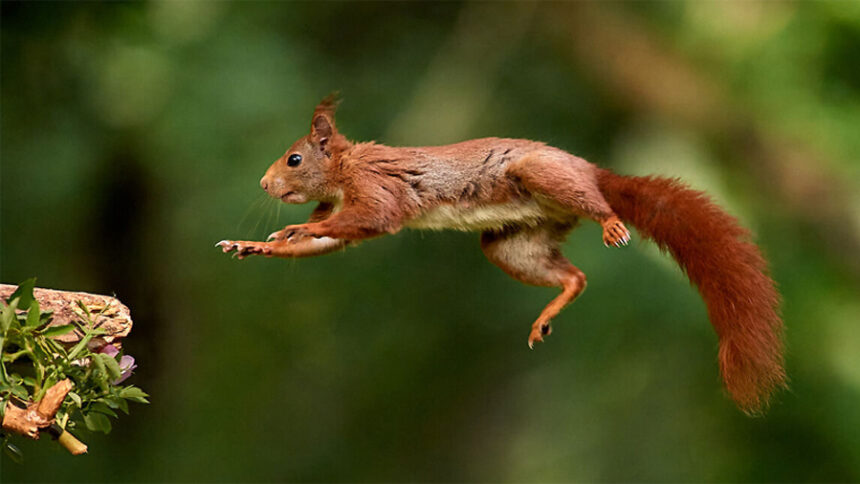
A specialized skin membrane called the patagium extends across both sides of its compact body structure. This unique anatomical feature allows the exotic marsupial to launch into the air and glide over forty meters between branches.
Sharp claws, keen vision, and razor-like teeth enhance its agility while navigating towering eucalyptus and acacia trees. Specialized semi-prehensile tail muscles allow family members to interlock tails, ensuring no individual gets lost in dense foliage.
Deep Maternal Bonds and Marsupial Development
Reproductive dynamics within sugar glider communities emphasize extraordinary parental commitment and prolonged youth development. Mothers undergo a brief sixteen-day gestation period before newborns crawl directly into the protective abdominal pouch.
Young joey marsupials remain inside the pouch for at least two complete months to complete initial physical growth. Once matured, young gliders emerge to explore the canopy while maintaining continuous physical contact with their mother.
Male gliders actively assist family survival by foraging for food while mothers nurture and train growing offspring. Furthermore, female gliders reach sexual maturity after eight months, experiencing unique twenty-nine-day reproductive cycles within their native climate.
Nocturnal Hunters and Complex Vocal Communication
As evening falls across the Pacific wilderness, sugar gliders emerge from hidden tree hollows to begin nightly foraging routines. Triangular heads, large pupils, and miniature ears give these creatures exceptional navigation capabilities during dark hours.
Their natural diet consists primarily of seventy percent essential vitamins and thirty percent rich protein sources. Favorite forest snacks include crickets, earthworms, and locusts, alongside water-rich wild fruits during hot, humid nights.
Communication among family units relies on sophisticated vocalizations that sound entirely cryptic to outside forest species. Scientists note that sugar gliders process these unique acoustic signals exclusively within recognized biological family groups.
Altruistic Social Structures in Canopy Communities
Unlike solitary predators or competitive primates, sugar gliders demonstrate an innate cooperative mindset within multi-generational family groups. Every member contributes directly toward collective survival rather than seeking individual dominance within the canopy territory.
Adult males develop a distinct hairless scent gland patch on top of their heads upon reaching maturity. They utilize this specialized gland to mark territorial boundaries and protect family feeding trees from rival groups.
Social cohesion dictates daily life, driving adult pairs to share parental responsibilities and food distribution equally. Removing a single individual from this tight cooperative network inflicts severe psychological trauma on the entire group.
Domestic Hazards and Human Captivity Traps
Environmental protection groups, including Italy’s National Trust for Animal Protection, repeatedly condemn the tragic fashion of keeping gliders as household pets. Italian animal welfare advocates recounted a tragic incident where rescuers discovered an abandoned, lifeless sugar glider in the Abruzzo region.
Experts analyzed the situation, emphasizing that urban apartments contain innumerable lethal traps for wild marsupials. Exposed high-voltage electrical wires, burning gas stoves, transparent window glass, and deep toilet bowls regularly cause fatal accidents.
Furthermore, keeping these energetic flyers inside metallic cages constitutes a cruel death sentence for an active canopy species. Young children often mistake these fragile mammals for plush toys, creating stressful and dangerous interaction dynamics for both parties.
Preserving Pacific Biodiversity and Forest Habitats
Extracting wild species from native ecosystems inflicts irreparable harm on global biodiversity and localized forest food webs. The natural sanctuary of the sugar glider remains strictly within the lush, green rainforest lungs of Australia and New Guinea.
Biologists estimate current wild populations at over ten thousand healthy individuals with natural lifespans exceeding fourteen years. These numbers depend heavily on undisturbed forest habitats located just kilometers from the Pacific Ocean shorelines.
Conservationists urge global citizens to reject exotic pet trends and respect the natural boundaries of wild species. Protecting these magnificent acrobats in their native rainforests guarantees that future generations can witness their incredible aerial journeys.