


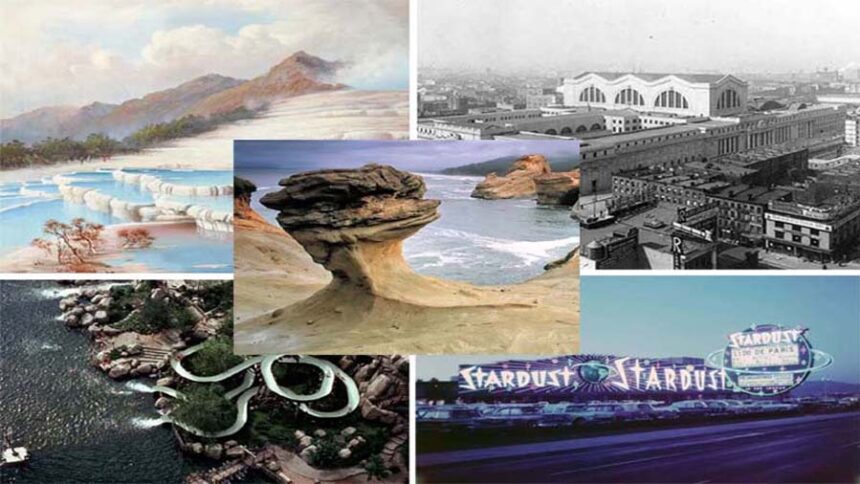
Explorers across the globe frequently dream about visiting famous architectural monuments, vibrant entertainment venues, and majestic natural marvels. However, unpredictable geopolitical decisions, sudden environmental disasters, corporate shifts, and senseless destruction completely erased several world-class attractions. Modern search engines now provide the only remaining gateway to experience these legendary lost locations. Historians and travel analysts track these historical losses to understand why beloved cultural sites vanished from physical maps. A sudden volcanic catastrophe swallowed ancient geothermal pools, while rapid urban modernization demolished grand historic transit hubs. Commercial rivalry forced early amusement pioneers into permanent bankruptcy, while expanding resort developments leveled iconic gambling institutions. Tragically, deliberate human spite destroyed delicate geological formations that required thousands of years to evolve organically. Studying these tragic vanishings highlights the fragile nature of global cultural heritage and natural landscapes worldwide.
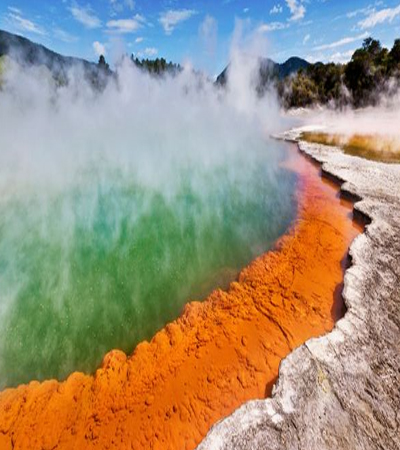
Volcanic Fury Buries New Zealand’s Geothermal Terraces
Long before modern travelers explored the Pacific, breathtaking geothermal formations captivated visitors across New Zealand. Geothermal hot springs deposited layers of pink and white silica over centuries, building stunning tiered swimming basins naturally.
Tragically, Mount Tarawera erupted violently in 1886, destroying these magnificent mineral pools and reshaping the regional landscape. Flaming debris and mud completely swallowed the natural wonder, burying the famous terraces under newly formed lakes.
However, modern geological researchers recently suggested that portions of these silica structures remain preserved deep underwater. Scientists continue analyzing acoustic mapping data, hoping to locate submerged remnants beneath the dark lakebed sediment.
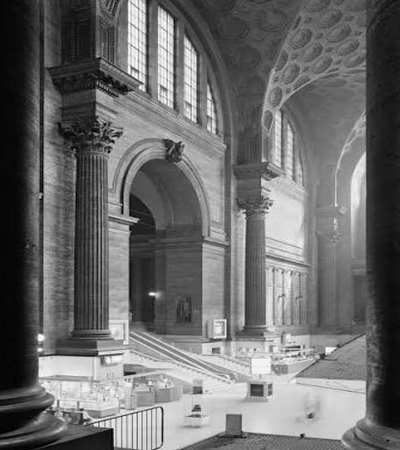
Demolition of New York’s Beaux-Arts Architectural Masterpiece
Engineers opened the original Pennsylvania Station in 1910, creating a breathtaking Beaux-Arts landmark for New York City travelers. This massive transportation terminal expanded rapidly through the 1940s, servicing over one hundred million passengers annually.
City planners made a controversial decision in 1963, demolishing the classical station building to construct Madison Square Garden. Demolition crews moved rail operations completely underground, sparking intense public outrage across local communities.
Urban architectural historians frequently argue that destroying this majestic granite gateway permanently damaged Manhattan’s historical identity. Consequently, civic outcry over Penn Station directly inspired modern historic preservation laws across the United States.
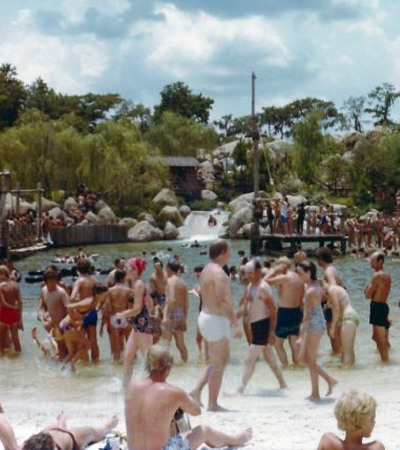
Corporate Competition Forces Closure of Disney’s First Waterpark
Walt Disney World opened its very first themed waterpark, named River Country, near Orlando in 1976. This rural-themed attraction drew massive crowds until parent executives opened Typhoon Lagoon, a significantly larger venue, in 1986.
River Country failed to compete against broader parking facilities, larger wave pools, and superior modern waterslides. Corporate managers permanently abandoned the original waterpark in 2001 after opening additional aquatic attractions nearby.
Decaying slides and empty pools sat overgrown inside forested resort grounds for decades without public access. Eventually, theme park historians documented how internal commercial rivalries caused the quiet downfall of this pioneering destination.
Las Vegas Strip Modernization Crushes Legend’s Favorite Casino
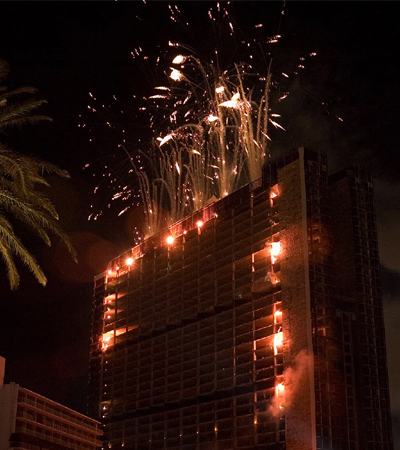
Entertainment seekers once considered the legendary Stardust Casino the ultimate destination along the famous Las Vegas Strip. Frank Sinatra regularly visited the iconic venue, while magicians Siegfried and Roy hosted wildly popular performances inside.
Newer mega-resorts appeared rapidly along the Strip, gradually eroding customer interest in the aging historic casino hotel. Demolition experts imploded the legendary structure in 2007 to make room for complex new resort developments.
Subsequent development projects suffered sudden cancellations, leading developers to clear the site repeatedly across following decades. Gaming historians note that modernizing Las Vegas constantly sacrifices classic architectural heritage to build lucrative new entertainment ventures.
Oregon’s Duckbill Rock Destroyed by Vandalism Spite
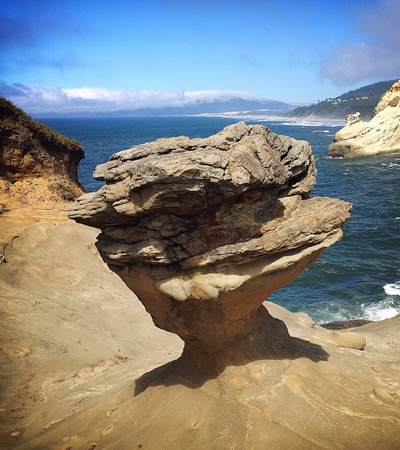
Cape Kiwanda in Oregon hosted a unique seven-foot sandstone formation popularly known as Duckbill Rock for generations. Countless tourists visited the coastal park daily, taking photographs beside the natural duck-shaped geological formation.
The heavy stone structure suddenly collapsed in 2016, leading state park officials to suspect natural erosion initially. However, investigators discovered video footage showing a group of visitors intentionally pushing the heavy sandstone pillar over. Perpetrators claimed they destroyed the ancient formation out of spite because a friend previously broke a leg there. Environmentalists worldwide condemned this senseless act, mourning the permanent loss of Oregon’s unique coastal landmark.