


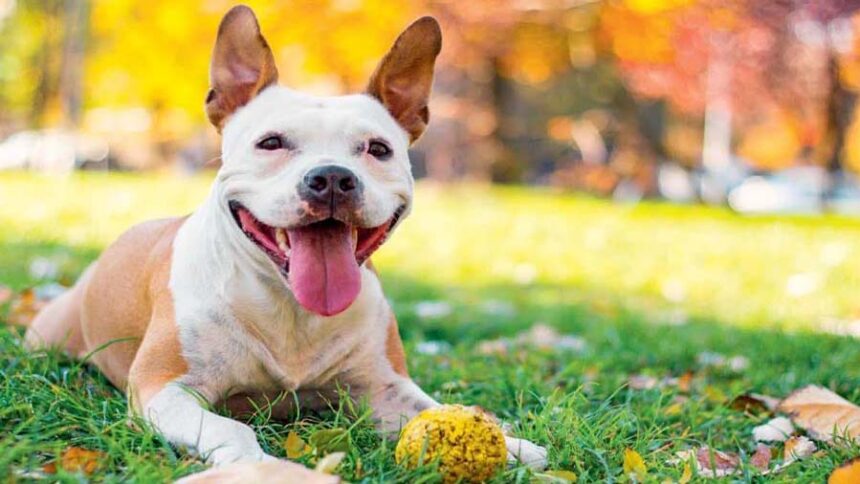
Many owners struggle with the profound anxiety of wondering if they are doing enough for their four-legged friends. This worry is rooted in deep love, yet the secret to canine happiness is surprisingly straightforward: it is a necessity for the animal to be allowed to express its true nature daily. We often err by trying to humanize our pets, forgetting they belong to a distinct species with their own unique social and cognitive capabilities. True contentment is not found in expensive luxuries, but in the freedom to live as an individual with specific ethological requirements. When we observe the world through their eyes, we realize that their joy is a fundamental right that requires our dedicated, daily attention.
Mapping the Hierarchy of Canine Needs
Experts have successfully adapted Maslow’s pyramid to the modern canine, creating a clear roadmap for their priorities. At the foundation lie essential physiological needs: clean water, high-quality food, consistent rest, and vigilant healthcare. These pillars are non-negotiable; without them, all other efforts toward enrichment will be entirely ineffective. Once these basic requirements are met, the dog seeks security and a sense of belonging within the human family unit. Higher levels of this hierarchy involve free physical movement, positive interactions with others, and finally, complex intellectual stimulation. Understanding this structure allows us to move from guessing to providing a reliable, stable environment.
Modern Socialization: A Methodical Approach
Socialization is often misunderstood as simply allowing dogs to interact with any other animal they encounter. In reality, this process requires careful attention, particularly in the first months of life, to avoid trauma or communication misunderstandings. We must evaluate the age and temperament of potential companions to ensure every meeting remains a positive, learning experience. Furthermore, a dog must also learn to engage with humans, including strangers, with calm, polite manners to strengthen its overall confidence. Urban environments offer constant stimuli, but the owner’s role is to ensure these encounters do not overwhelm the animal. Utilizing professional training centers can provide a structured, harmonious path for developing this critical social stability.
The Silent Dialogue: Reading Body Language
A dog’s happiness is expressed through a silent, complex language of posture, gaze, and muscle tension that every owner must learn to translate. We frequently make the mistake of assuming a wagging tail is a sign of pure joy, ignoring the accompanying muscle tension that might indicate stress. A truly happy dog displays relaxed, soft ears and a loose body posture. It is vital that we recognize when our companion is fatigued, as forcing interaction against their will only serves to erode the trust between us. Respecting their personal space and need for silence is not a sign of distance, but a profound demonstration of love and respect. Learning this silent dialogue is a never-ending, yet rewarding, journey of communication.
Routine as an Anchor for Stability
Predictability is one of the most effective tools for preventing anxiety and stress. Dogs thrive on consistent daily habits, such as fixed meal times and steady exercise rhythms, which support their digestive and emotional health. While it is important to include moments of spontaneity and adventure, these should be balanced with a foundation of order. When a dog understands the rhythm of its environment, it feels protected, which creates a deep sense of serenity. This organized lifestyle is a precious gift that reduces separation anxiety and helps the dog remain calm in the face of life’s daily challenges. A stable routine is the silent foundation of a harmonious domestic life.
Nutritional Foundations for Inner Joy
Inner happiness cannot exist without optimal physical health, making nutrition the cornerstone of a dog’s future. A balanced diet, meticulously monitored, directly influences the animal’s mood, energy levels, and central nervous system function. We should always consult with a veterinarian to create nutritional plans that are specifically tailored to our dog’s needs. The act of preparing a high-quality meal is not just feeding; it is a profound gesture of affection that reflects our long-term commitment to their wellbeing. Healthy digestion leads to a healthier appearance, including a better coat and a brighter, more attentive gaze. Proper care always begins at the bowl each morning.
Play as a Tool for Deep Connection
Play is far more than a simple pastime; it is the primary instrument for teaching vital rules and fostering cognitive sharpness. Choosing toys that are appropriate for the dog’s size and breed-specific character ensures that the activity remains both engaging and safe. We must alternate between high-energy activities, such as chasing, and moments of calm to maintain an emotional balance. The goal of this shared time should always be cooperation rather than stressful competition. When we invest time without the interference of technology, our dog senses our full presence, which significantly increases their trust and confidence in us. Happiness, in this context, is the shared joy of a cooperative, focused moment.
Navigating Fears and Building Confidence
Environmental fears, such as loud noises or the presence of strangers, can create chronic stress that is incompatible with a happy life. We must assist our dogs in overcoming these insecurities, not by forcing them to confront their limits, but through gradual, patient exposure. It is perfectly acceptable to seek the support of a professional trainer when facing these challenges. By providing a consistent, supportive presence, we transform potential moments of panic into opportunities for growth and learning. This process builds the emotional safety that is essential for a dog to see the world as a secure place. A dog that feels guided by its owner is a dog that can face the world with courage.
The Vital Importance of Rest
Adult dogs require many hours of rest each day, a need that is frequently underestimated by well-meaning owners. Sleep is absolutely essential for the proper functioning of their immune system and the clarity of their mind. We must create a quiet, dedicated space for our dogs where they can retreat and sleep completely undisturbed. Many behavioral issues are simply the result of chronic fatigue rather than a lack of training. Learning to recognize when a dog prefers silence over activity is a sign of deep respect for their biological needs. A serene and well-rested dog is fundamentally a happier, more balanced member of the household.
Respecting Nature and Individual Propensities
Every breed and every individual dog carries a unique history and a set of inherent tendencies. A Border Collie will have vastly different needs than a Pug, and it is our responsibility to research and understand these specific aptitudes. True happiness is found when we allow the dog to express the very things it was born to do, rather than forcing it into a role that conflicts with its DNA. Embracing the authenticity of our dog’s nature is the ultimate key to a successful relationship. When we celebrate these differences, we are honoring the dog’s identity. Life with a dog is a journey into their history and their specific, wonderful uniqueness.
The Home Environment as a Sanctuary
The domestic environment has a massive impact on the daily mood of our companions. A home should be both safe, free from unnecessary household dangers, and mentally stimulating. Maintaining a clean, orderly space helps keep the dog calm, whereas a chaotic, stressful home environment will inevitably lead to an unhappy pet. Dogs are highly sensitive creatures that perceive the emotional vibrations of their owners; therefore, keeping a loving, peaceful atmosphere is essential. Protecting this domestic serenity is a duty that we must uphold every day. When we make our home a sanctuary, we provide the best possible backdrop for their happiness.
A Lifetime Commitment to Shared Happiness
Reaching the end of this journey, it becomes clear that canine happiness is a precious, shared gift that requires infinite patience and dedication. There are no shortcuts; the quality of our dog’s life depends entirely on the strength of our relationship and our willingness to learn. We are the guardians of their joy, and every small, intentional action we take contributes to their inner wellbeing. By accepting our dogs for who they truly are and providing for their specific needs, we unlock a lifetime of mutual fulfillment. Living with a dog is an extraordinary, evolving adventure that we should approach with respect, gratitude, and immense love. This is the only path to a truly happy life together.