


Renowned Italian illusionist Aldo Savoldello, universally known as Silvan, published a landmark historical survey detailing how brilliant illusionists systematically revolutionized human entertainment across three centuries. Writing from Rome, the master performer documented secret mechanical innovations, extreme psychological tricks, and dangerous escapes that repeatedly baffled global audiences. His comprehensive literary research unveils the untold lives of ten iconic illusionists who transformed simple sleight of hand into a monumental global art form.
Through calculated deception, these daring pioneers successfully challenged fundamental laws of physics before stunned monarchs, heads of state, and millions of television viewers worldwide. From nineteenth-century royal palaces to modern broadcast studios, their thrilling inventions redefined human imagination forever. Silvan’s analysis reveals that true magic relies on mastering human perception rather than relying on supernatural forces. Consequently, exploring their secret techniques exposes a fascinating history of obsession, innovation, and unmatched theatrical brilliance.
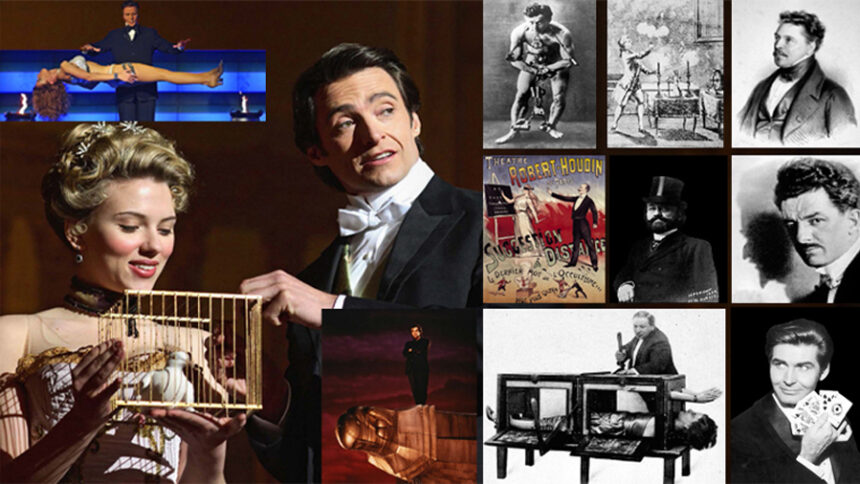
The Venetian Prodigy Who Rewrote Magic History
Venetian-born performer Aldo Savoldello began his stage journey at age eleven inside local youth oratorical halls. Adopting the famous stage name Silvan, he became Italy’s most celebrated illusionist while gaining massive international acclaim.
During his long television career, he hosted the wildly successful broadcast show Sim Sala Bim on national Italian networks. His astounding routines included levitating assistants, slicing performers into eight pieces, and manipulating one hundred forty cards in one hand.
Furthermore, Silvan dedicated decades to studying historical magic literature, writing several books on the evolution of global illusionism. In his analytical writings, he emphasized how master magicians exploit human sensory weaknesses to turn theatrical illusions into convincing reality.
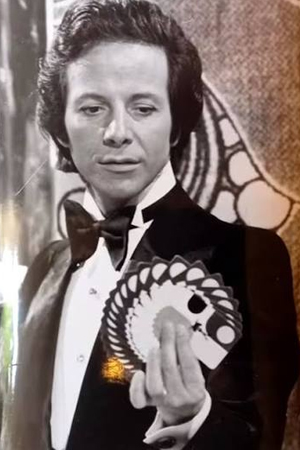
From Hungarian Immigrant to the Genius of Escapology
Erik Weisz left Budapest as a young child before settling in North America with his struggling family. While selling soap bars and hair combs to support his household, the young boy obsessively studied locks and keys.
He read about historic illusionists, choosing the professional stage identity Harry Houdini to honor French master Robert-Houdin. After escaping police handcuffs in Massachusetts in 1895, he realized his true calling lay in extreme physical escapes.
Consequently, Houdini captivated international crowds by breaking free from submerged wooden trunks, heavy iron chains, and locked bank safes. His legendary escape methods became so famous that English dictionaries created a brand new verb to honor his legacy.
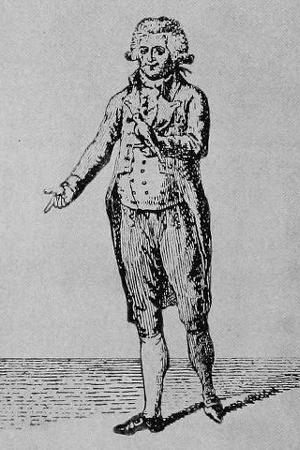
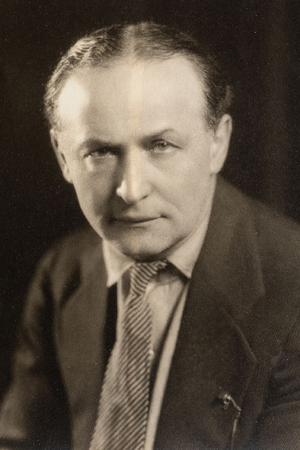
The Royal Performer Who Taught Swans to Read
Giuseppe Merci, known professionally as Pinetti, charmed eighteenth-century European aristocratic courts through unmatched elegance and lavish theatrical productions. Performing privately at Versailles, he left King Louis XVI and the French royal family completely stunned by his skill.
In one famous routine, he removed a spectator’s formal dress shirt without touching the outer suit jacket. Another renowned trick featured a floating mechanical swan that spelled out hidden audience words using its beak.
Eventually, Pinetti married Polish princess Clotilde Notoscki before traveling across distant eastern European nations to showcase his illusions. Today, historians regard his sophisticated mechanical props as early precursors to modern automated theatrical equipment.
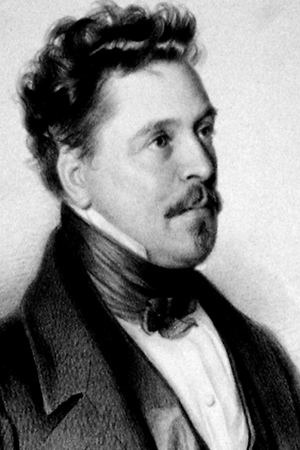
The Turin Native Who Survived Armed Firing Squads
Bartolomeo Bosco enthralled nineteenth-century European monarchs, earning the prestigious title of king among magicians and magician among kings. He possessed remarkable charismatic control, captivating audiences through expressive facial gestures, hypnotic eyes, and warm personal humor.
In his creative routines, silver coins appeared inside fresh eggs and heavy iron chains transformed into live slithering eels. Most dangerously, he stood fearlessly before fully armed military squads holding loaded rifles.
When soldiers fired their weapons, loud gunshots echoed across the venue, yet lead bullets dropped harmlessly at his feet. His incredible stage presence proved that psychological distraction plays a central role in executing convincing theatrical illusions.
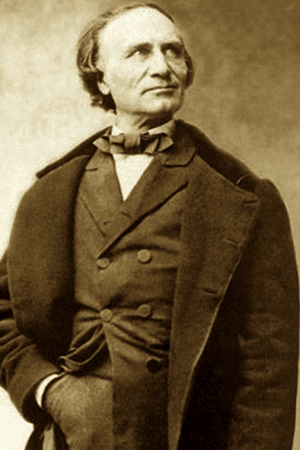
Clockwork Precision and the Invention of Ethereal Levitation
French watchmaker Jean Eugène Robert-Houdin discovered stage magic by complete accident through a bookstore shipping mistake. The shopkeeper sent him instructional magic handbooks instead of requested clock repair manuals, inspiring a lifelong artistic transformation.
Applying fine clockwork mechanics to stage illusions, he created intricate mechanical automatons that served custom pastries to theater guests. His greatest technical achievement involved levitating a woman horizontally in mid-air using only a single vertical walking stick.
Later in life, he inspired generation after generation of aspiring illusionists, including iconic escape artist Harry Houdini. Through his scientific approach to prop construction, Robert-Houdin established the foundations of modern commercial stage magic.
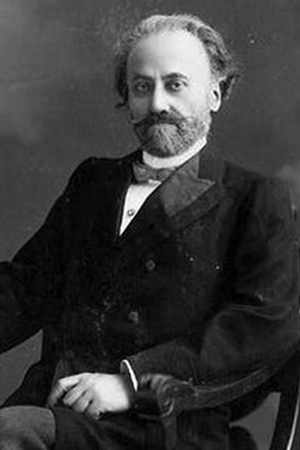
The Rebellious Seminarian Who Escaped to Baffle the Clergy
Joseph Buatier abandoned his religious seminary studies at age twenty to pursue professional stage entertainment against his father’s wishes. Performing under the name De Kolta, he toured Switzerland and Italy, entertaining high-ranking Roman clergy with original illusions.
He gained rapid popularity across European cities before crossing the Atlantic Ocean to perform inside packed North American theaters. Silvan highlighted that De Kolta strictly performed original tricks, taking many secret inventions directly to his grave.
His signature performances included vanishing human assistants while climbing ladders and expanding small wooden dice into giant shapes. His legacy proves that creative originality can elevate simple stage tricks into timeless mathematical mysteries.
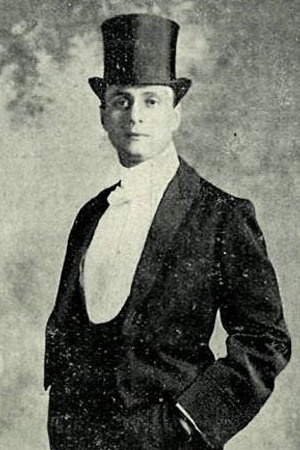
Forty-Five Illusions in Seventeen Minutes
Lithuanian immigrant Hyman Goldstein faced severe criticism early in his career due to his broken English and persistent stuttering. Performing under the name Goldin, he cleverly solved this communication barrier by designing an ultra-fast, silent illusion act.
His breathless performance packed forty-five distinct illusions into seventeen minutes, completely outpacing every contemporary stage rival. Most famously, he popularized the terrifying illusion of sawing a living woman in half using giant spinning saws.
Because public demand exploded worldwide, Goldin created six simultaneous touring companies to perform his routines across different cities. His silent, high-speed approach demonstrated that pure visual spectacle transcends language barriers entirely.
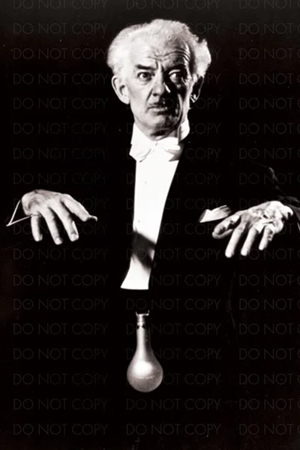
From Wood Workshop Carpenter to Hollywood Legend
Henry Bouton entered the entertainment world as a skilled carpenter crafting specialized prop boxes for commercial magic suppliers. Eager to perform on stage himself, he bought cheap leftover promotional posters to adopt the name Harry Blackstone.
He constructed a diverse repertoire, performing rabbit tricks for young children and complex manipulation routines for adult theater audiences. In his most famous illusion, he borrowed standard cloth handkerchiefs and commanded them to dance across the stage.
His charming stage personality inspired popular national comic books and earned him widespread recognition across the entertainment industry. Eventually, Blackstone moved to Hollywood, leaving a lasting legacy as one of America’s greatest theatrical builders.
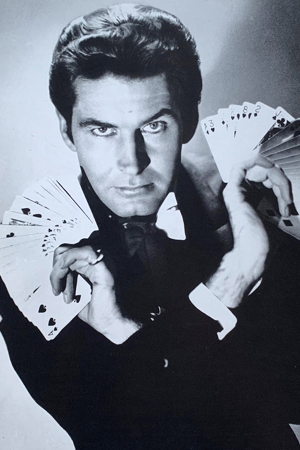
The Handsome Illusionist Who Charmed Hollywood and Kings
California native Channing Pollock bought a trick deck of playing cards from a street vendor before enrolling in formal magic school. Specializing in precise card manipulation and elegant dove routines, he captivated Queen Elizabeth II and President Eisenhower.
His handsome appearance and magnetic stage charisma quickly caught the attention of major international film producers. After appearing in Alessandro Blasetti’s 1958 film Europe by Night, he landed numerous acting roles in feature films.
Pollock demonstrated that personal elegance and charismatic showmanship can transform classic sleight of hand into global cinematic stardom. Consequently, his stylish performances set new artistic standards for mid-century variety television and international cinema.

Vanishing Landmarks and Teleporting Across Oceans
American performer David Seth Kotkin began his entertainment career as a ventriloquist before adopting the iconic pseudonym David Copperfield. After debuting in Hawaii, he modernized traditional illusion techniques specifically for national television broadcasts between 1977 and 2001.
His televised mega-illusions included walking through the Great Wall of China, vanishing a seven-ton plane, and disappearing the Statue of Liberty. In his most daring televised stunt, he vanished live on stage and instantly teleported himself to Hawaii. Copperfield revolutionized the magic industry by merging cinematic lighting, dramatic storytelling, and high-tech engineering into monumental spectacles. Today, his revolutionary broadcast techniques continue inspiring contemporary illusionists across the globe.